

How Financial Pressure Impacts Couples – and How Relationship Counselling Can Help
Money stress rarely stays neatly contained. It seeps into conversations, silences, sleep, intimacy, and trust. For many couples, financial pressure becomes the background noise of the relationship – always there, quietly shaping moods, decisions, and emotional availability.
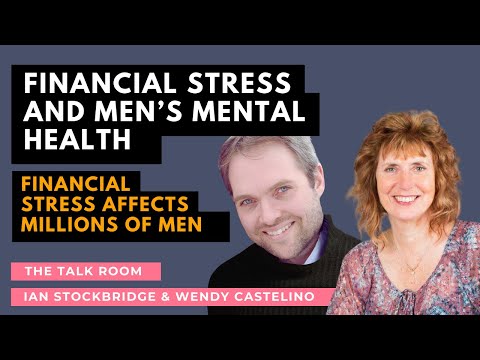
For men in particular, financial stress can feel deeply personal. Cultural expectations around providing, success, and responsibility often mean that money worries are carried silently, with shame, fear, or a sense of failure sitting just beneath the surface. Over time, that internal pressure doesn’t just affect mental health – it affects relationships too.
In therapy rooms, financial stress is one of the most common unspoken contributors to relationship breakdown. Not always because of the money itself, but because of what happens emotionally when couples stop feeling safe enough to talk.
How Financial Stress Changes Relationship Dynamics
When finances become strained, couples often notice subtle shifts long before open conflict appears.
Communication may become shorter or more guarded. One partner might withdraw emotionally, while the other feels shut out or confused. Small disagreements escalate quickly, or difficult conversations are avoided altogether “to keep the peace”.
For many men, financial stress can trigger feelings of inadequacy, anxiety, or loss of identity. Rather than voicing those feelings, they may work longer hours, emotionally disengage, become irritable, or try to regain a sense of control in other areas of life. From the outside, this can look like distance, lack of care, or even rejection.
For partners, the experience can be equally painful. They may sense something is wrong but not know what. Secrecy around money – often intended as protection – can instead create mistrust and emotional disconnection.
Over time, couples can find themselves no longer talking with each other, but talking around the problem.
When Financial Stress and Betrayal Collide
In some relationships, financial stress does not just lead to emotional distance – it becomes part of a wider rupture in trust.
Periods of prolonged stress can lower emotional resilience and increase vulnerability. When communication breaks down, some people seek relief, validation, or escape elsewhere. This may show up as emotional affairs, physical infidelity, hidden spending, secret debts, or gambling behaviours.
Betrayal is not always about sex. Financial infidelity – hiding accounts, lying about debt, secret spending – can be just as damaging, particularly when money already feels scarce or unsafe.
When betrayal occurs against a backdrop of financial stress, couples often feel overwhelmed on multiple levels:
- grief and shock
- anger and confusion
- fear about the future
- practical worries layered on top of emotional pain
Without support, these situations can quickly become polarised, with blame, defensiveness, and withdrawal replacing curiosity and care.
Why Relationship Counselling Matters in These Situations
Relationship counselling provides a space where couples can slow things down and begin to understand what actually happened, rather than staying stuck in cycles of accusation or silence.
In counselling, financial stress is not treated as a budgeting problem alone, and betrayal is not reduced to a single “bad choice”. Instead, therapy looks at:
- how stress affected emotional regulation
- how each partner learned to cope (or survive)
- what went unsaid for too long
- where safety and trust were lost
This approach allows couples to move away from “who is to blame” and towards “what happened between us”.
Importantly, counselling creates a neutral, contained environment where difficult conversations can happen without escalation. Many couples find that they can talk about money, betrayal, and fear – they just couldn’t do it safely on their own.
Integrating Betrayal and Infidelity Recovery
When infidelity or betrayal is part of the story, relationship counselling needs to be handled with care, structure, and compassion.
Effective couples therapy integrates betrayal recovery by:
- acknowledging the depth of hurt without minimising it
- supporting the injured partner’s need for clarity, validation, and emotional safety
- helping the partner who breached trust take responsibility without becoming defensive or collapsing into shame
- rebuilding transparency and accountability over time
Recovery is not about “moving on quickly” or pretending trust can be restored overnight. It is about understanding the conditions that made the relationship vulnerable and learning new ways of responding to stress, conflict, and emotional need.
When financial stress has played a role, therapy also helps couples separate circumstance from choice, without excusing harmful behaviour.
Rebuilding Safety, Not Just Solving Problems
One of the most valuable aspects of relationship counselling is that it focuses on emotional safety, not just solutions.
Couples learn how to:
- talk about money without it becoming a threat
- express fear or shame without withdrawing or attacking
- recognise stress responses in themselves and each other
- repair ruptures before they widen
This is especially important for men who may have learned to equate vulnerability with weakness. In therapy, many discover that sharing fear or uncertainty actually strengthens connection rather than undermining it.
Partners, too, gain a clearer understanding of what has been happening beneath the surface – often replacing self-blame with empathy and realism.
When Is It Time to Seek Support?
Couples often wait far too long before reaching out. Support may be helpful if:
- money conversations always end in conflict or avoidance
- one or both partners feel emotionally disconnected
- trust has been damaged through secrecy or infidelity
- stress is affecting intimacy, sleep, or mental health
- the same arguments repeat without resolution
Seeking counselling is not a sign that a relationship has failed. More often, it is a sign that both people care enough to try something different.
At Hope Therapy and Counselling Services, relationship counselling is approached with an understanding that life stressors – including finances – deeply affect emotional wellbeing and connection. Therapy is not about assigning fault, but about helping couples make sense of what they are carrying and how to move forward together.
A Final Thought
Financial stress is real. Betrayal is painful. Relationships are complex.
But none of these mean a relationship is beyond repair.
With the right support, couples can learn to talk again, rebuild trust, and develop healthier ways of facing stress together. Sometimes the work is about healing deep wounds. Sometimes it is about learning skills that were never taught in the first place.