BLOG
Menopause and Relationships: How Hormonal Change Affects How You Connect
- By Lisa Capper
- Integrative Counsellor, Hope Therapy & Counselling Services
- 8th September 2026
- 6–8 minutes

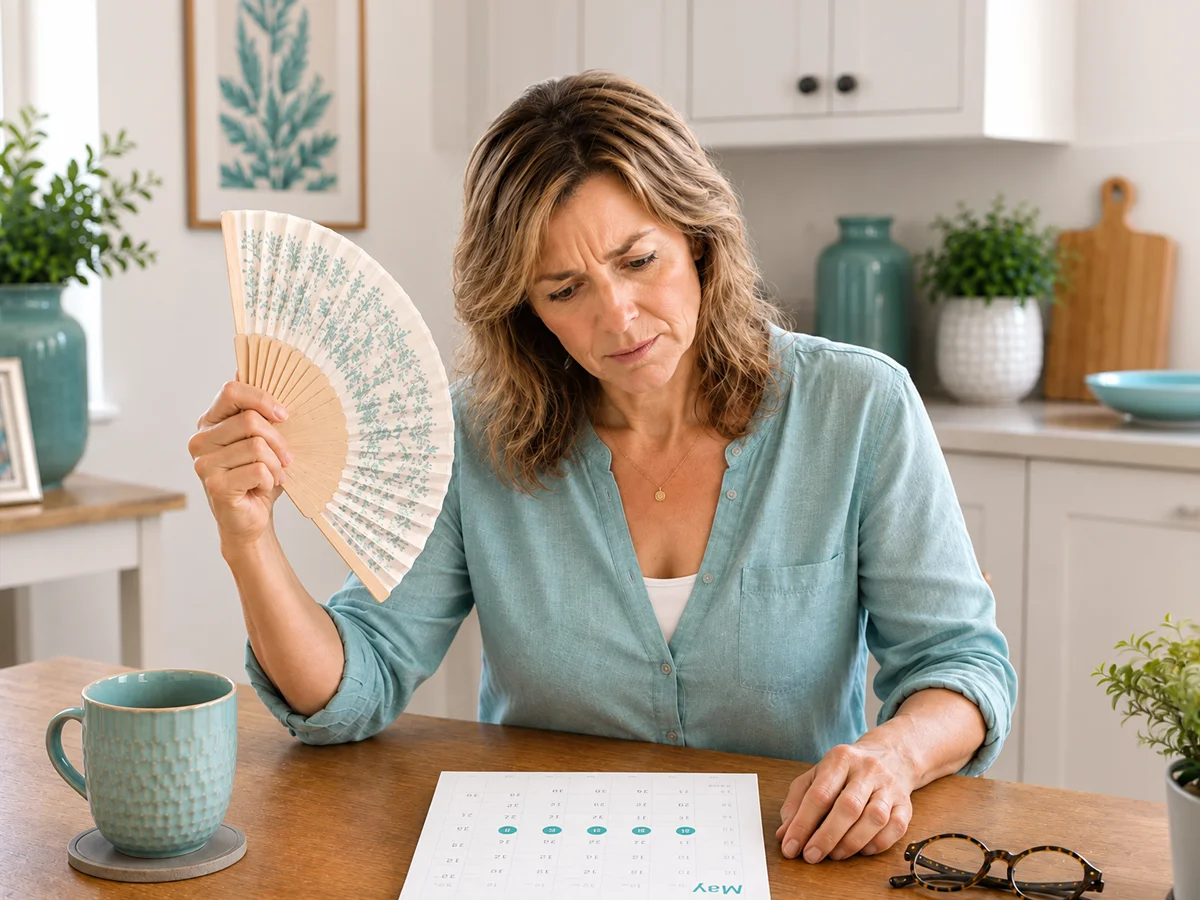
Menopause changes more than the body. For many women, it also shifts something in how they relate to the people closest to them, not through any choice or failure of feeling, but through the same hormonal mechanisms that are changing their sleep, their mood, and their sense of themselves. Understanding how menopause and relationships interact is one of the least discussed and most practically useful things a woman going through this transition can do.
This article is intended for general information and educational purposes only and should not be considered medical, psychiatric, psychological, or therapeutic advice. Every person’s circumstances are unique, and reading this article does not create a therapeutic relationship with Hope Therapy & Counselling Services. If you are concerned about your mental health or emotional wellbeing, we encourage you to seek support from a suitably qualified healthcare or mental health professional. Hope Therapy & Counselling Services offers a free 15-minute consultation – book yours now.
How Does Menopause Affect Relationships?
Menopause affects relationships through several interconnected pathways, and understanding each of them separately is useful because different pathways may be more prominent in different women’s experiences.
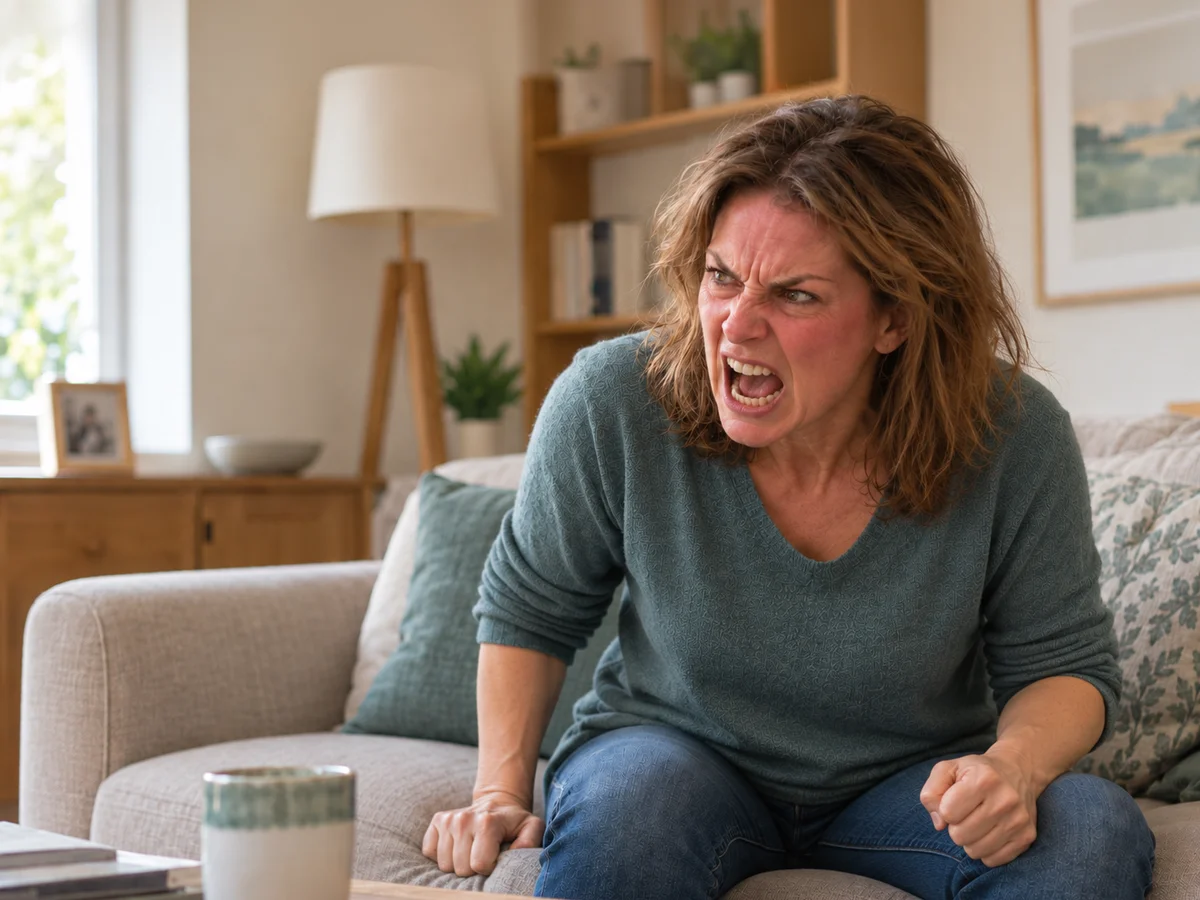
The most commonly reported relational change is an increase in irritability and emotional sensitivity, the same hormonal shifts that drive perimenopause rage and anxiety also affect how she experiences and responds to everyday relational friction. Small irritations feel larger. Patience that was previously available runs out more quickly. Interactions that would have been unremarkable become difficult.
Equally significant, though less often discussed, is the change in how closeness and intimacy feel. Changes in oestrogen and testosterone levels during the menopausal transition can affect libido, arousal, and physical comfort. This does not simply affect sexual intimacy, it can affect how she experiences all forms of closeness, including physical affection, emotional vulnerability, and the desire for company. For some women, a previously comfortable closeness becomes overstimulating. For others, there is a withdrawal from intimacy that they cannot fully explain and that a partner may misread as rejection.
How menopause affects the relationship with yourself
Before examining how menopause affects relationships with others, it is worth noting that one of the most significant relational shifts during this period is internal. Many women find that the values and priorities that have organised their lives, caring for others, maintaining connections, performing roles, feel less compelling or even actively burdensome during menopause.
This identity shift does not have a widely-known name in the context of menopause. But it is real and significant. When a woman’s relationship with herself is changing, her relationships with everyone else will be affected too, not because she is failing those relationships, but because she is renegotiating the terms on which she engages with everything.
Why Does Menopause Cause Relationship Problems?
Menopause does not cause relationship problems in the sense of creating them from nothing. What it does is bring existing dynamics, unspoken assumptions, and unexplored needs into much sharper relief. Relationships that were coasting on routine and goodwill may find that the changed hormonal and emotional landscape of menopause makes those resources insufficient.
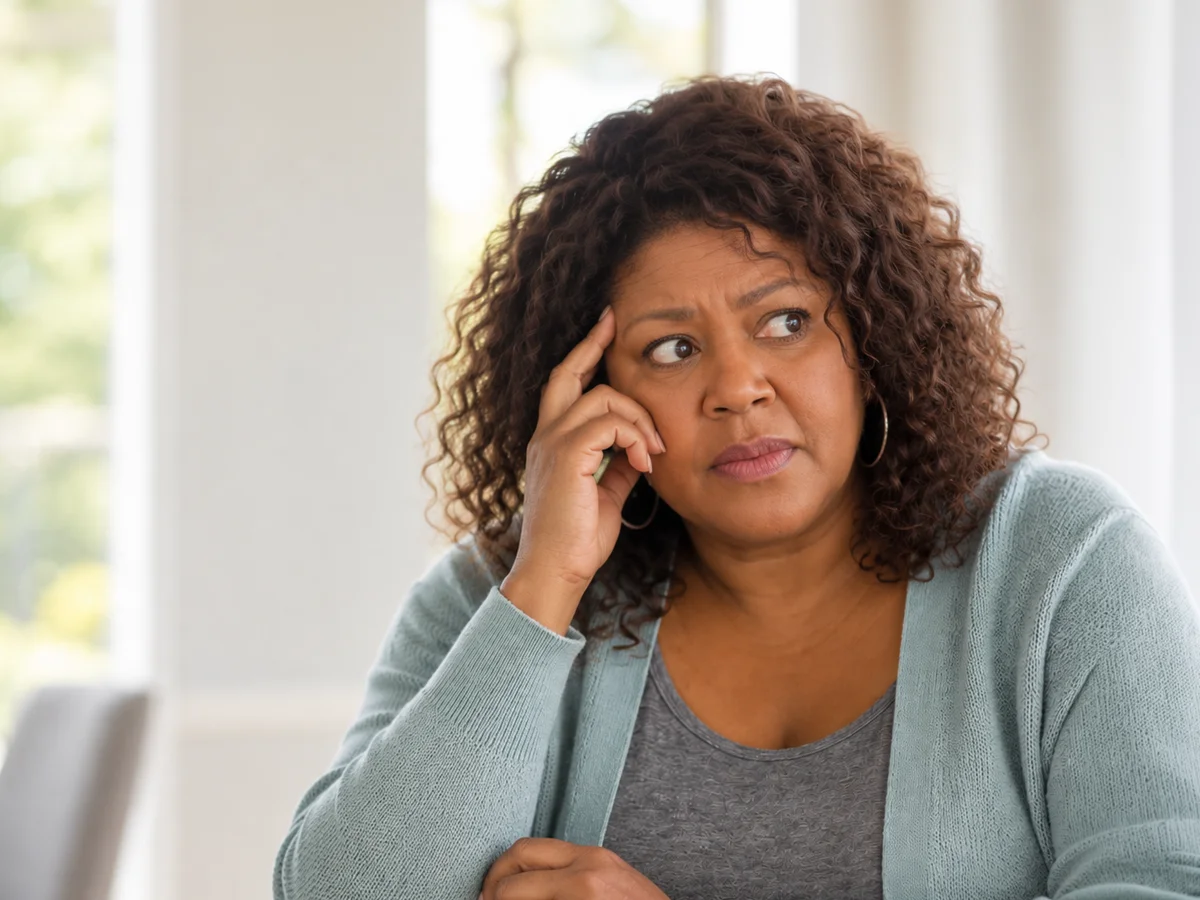
The communication patterns that have sustained a relationship may no longer serve as well when one person is experiencing significant internal change that the other does not fully understand. A partner who interprets increased irritability as personal criticism, or decreased sexual interest as rejection, may respond in ways that escalate the difficulty rather than addressing it.
This is not anyone’s fault. It is what happens when a significant life transition moves through a relationship without adequate language or understanding on either side.
What Does Menopause Do to Intimacy?
Hormonal changes during menopause can significantly affect intimacy, and this is worth addressing directly because it is often the aspect that creates the most distress in relationships and the most silence.
Declining oestrogen affects vaginal tissues, causing dryness and discomfort that can make sexual intimacy physically painful in ways that have nothing to do with desire. The experience of this, particularly without understanding its cause, can lead to avoidance, and avoidance, without explanation, can lead a partner to draw entirely inaccurate conclusions about the relationship.
Testosterone also changes during menopause, and its decline can affect libido directly. This does not mean desire disappears permanently, for many women, libido returns or stabilises post-menopause. But during the transition, the loss of a drive that has always been present can itself be disorienting and is worth discussing openly rather than managing in silence.
If you are experiencing the perimenopause
If the relational changes that come with menopause feel difficult to talk about, a free 15-minute consultation is a good first step. No preparation needed, no commitment.
How to Support a Partner Through Menopause
If you are reading this as a partner, whether or not you have a full understanding of what your partner is going through, the most useful thing is accurate information and genuine curiosity rather than a fixed interpretation of what the changes you are experiencing together mean.
The relational changes associated with menopause are not a signal that the relationship is failing or that feelings toward you have fundamentally changed. They are a signal that one person in the relationship is going through a significant physiological and psychological transition that deserves to be understood and supported.
Conversations about what has changed and what would help, ideally before the distance or conflict becomes entrenched, are more useful than waiting for things to settle on their own. If those conversations are difficult to have without support, couples counselling can offer a structured space for them.
What partners often get wrong
The most common misinterpretation partners make is taking the changes personally. Withdrawal is read as rejection. Irritability is read as contempt. Loss of libido is read as loss of attraction. None of these interpretations is accurate, but all of them are understandable without better information, which is exactly why having the conversation, ideally with support, is more useful than waiting and hoping things return to normal without it.
Can Counselling Help With Menopause and Relationships?
Counselling can help in several ways. For the woman going through menopause, it can offer a space to understand the internal changes she is experiencing, the identity renegotiation that is part of this transition, and the emotions, including grief, anger, or relief, that the transition can bring.
For a couple, it can provide a structured space to understand what is happening on both sides, to have the conversations that have been avoided, and to find a shared language for a transition that has significant relational implications.
Support from Hope Therapy & Counselling Services is available online nationwide and face-to-face across England. Practitioners experienced in relationship counselling and women’s health work with individuals and couples navigating this transition.
Ready to Take the First Step?
The relational changes that come with menopause are real, they are common, and they are not a sign that something has gone permanently wrong.
A free, no-obligation 15-minute conversation is a good place to start, whether you are the person going through the transition, or the person trying to understand it from alongside. No preparation needed, no commitment required.
- Free 15-minute consultation
- No commitment
- Qualified & registered therapists
- LGBTQIA+ affirming support
- NCPS organisational member
- Online nationwide
- Face-to-face across England
- Established 2014
This article is intended for general information and educational purposes only and should not be considered medical, psychiatric, psychological, or therapeutic advice. Every person’s circumstances are unique, and reading this article does not create a therapeutic relationship with Hope Therapy & Counselling Services. If you are concerned about your mental health or emotional wellbeing, we encourage you to seek support from a suitably qualified healthcare or mental health professional. Hope Therapy & Counselling Services offers a free 15-minute consultation – book yours now.
Frequently Asked Questions
How does menopause affect relationships?
Menopause affects relationships through several pathways including increased irritability and emotional sensitivity, changes in libido and physical comfort affecting intimacy, and an internal identity shift that changes how a woman engages with her relationships. These changes are real and common, not signs of relationship failure.
Can menopause cause relationship breakdown?
Menopause does not create relationship problems from nothing, but it can bring existing dynamics and unexplored needs into sharper relief. Relationships sustained by routine and goodwill may find those resources insufficient without better communication and mutual understanding.
Can counselling help with menopause and relationships?
Yes. For the woman going through menopause, counselling can offer space to understand internal changes and the emotions they bring. For a couple, it provides a structured space to understand what is happening on both sides and have conversations that may have been avoided.
Find the Right Support for You
Our general counselling services page can help you determine what sort of therapy may be suitable for you.
Get Help With Other Conditions
Our general conditions page is a great place to start.
ABOUT THE AUTHOR

Lisa Capper
- MNCPS
Integrative Counsellor, Clinical Supervisor & Coach — Hope Therapy & Counselling Services
Lisa is an experienced integrative counsellor, clinical supervisor, and coach with a background in the care sector, where she developed a deep understanding of supporting neurodivergent individuals and their families. Her experience enables her to adapt therapy to each person’s unique needs and life circumstances.
Lisa holds an L4 Diploma in Therapeutic Counselling, an Advanced CBT Diploma, and additional qualifications in Clinical Supervision, Rewind Therapy, Transactional Analysis (TA), Emotionally Focused Tapping (EFT), and Life Coaching. She is an Accredited Member of the National Counselling & Psychotherapy Society (NCPS) and is committed to ongoing professional development.
Her specialist interests include PMDD, perimenopause and menopause, neurodivergence, bereavement, domestic and narcissistic abuse, anxiety, and trauma. Lisa also brings lived experience of PMDD to her work, combining professional expertise with personal insight into the challenges of hormonal mental health.
Lisa provides a warm, compassionate, and collaborative environment where clients can explore their experiences safely and without judgement. Drawing on an integrative approach, she tailors therapy to each individual, helping clients better understand themselves, overcome life’s challenges, and create lasting positive change.
- NCPS Accredited Member
- L4 Diploma in Therapeutic Counselling
- Advanced CBT Diploma
- Clinical SupervisorIntegrative Counsellor
- PMDD Specialist
- Women’s Hormonal Mental Health
- Neurodivergent-Affirming
Free 15-minute consultation
A no-pressure conversation to find the right therapist for you. No commitment needed.
THE AUTHOR
Lisa Capper
MNCPS
Integrative counsellor, clinical supervisor, and coach specialising in PMDD, neurodivergence, trauma, and women’s hormonal mental health.
ABOUT HOPE THERAPY
Qualified registered therapists
Online nationwide across UK
Face-to-face across England
LGBTQIA+ & neurodivergent affirming
Mon–Sun, 9am–9pm
NCPS organisational member
Est 2014
Published: 8th September 2026 | Written by Lisa Capper | Reviewed for clinical accuracy before publishing | Review due: September 2028