
Conditions
Support for the things you carry quietly
Qualified counsellors supporting women’s mental health across England — online nationwide and face-to-face. A confidential space to be heard, without judgement, without having to hold it all together.
NCPS Organisational Member
Experienced women’s counsellors
Free 15-minute consultation

★ ★ ★ ★ ★“I’d been bottling everything up for years. Having someone who actually listened — without rushing me or telling me what to do — made me realise I didn’t have to keep carrying it all on my own.”
Sarah, who sought support for anger and relationships
5,000+
People supported
90+
Qualified therapists
5 ★
Website testimonials
20+
Counties across England
The Reality
Women’s mental health in the UK
Women are more likely than men to seek help — but that does not mean the barriers are gone, or that the pressures are any less real.
1 in 3
women in the UK report poor mental health — significantly higher than the rate for men
44%
of women have seen a therapist, yet many wait years before seeking support for the first time
1 in 10
new mothers experience postnatal depression, with many more affected by anxiety or birth trauma
~ 1 in 20
women of reproductive age are affected by PMDD — a severe hormonal condition that profoundly impacts mental health
Understanding the Pressures
The things that build up — often without anyone noticing
Women’s mental health is shaped by a combination of biological, hormonal, and social factors that interact in ways that are sometimes hard to separate. Hormonal changes across the menstrual cycle, during pregnancy, after birth, and through perimenopause and menopause can profoundly affect mood, anxiety, sleep, and the ability to cope with everyday life. These are not imagined. They are real, physiological processes — and they deserve to be taken seriously.
Alongside this, many women carry what is often called the “mental load” — the invisible work of managing a household, anticipating needs, remembering appointments, carrying the emotional weight of relationships, and maintaining the sense that everything is under control. When you add the pressures of work, caring responsibilities, societal expectations around appearance and achievement, and the particular challenges of life transitions — becoming a mother, navigating fertility, facing menopause, or rebuilding after loss — it is no wonder that something eventually gives.
The difficulty is that many women are so practised at holding it together that the moment they stop, the scale of what they have been carrying can feel overwhelming. Counselling offers a space where you do not have to hold anything together. You can put it down, look at it honestly, and work out what needs to change.
Recognising the Signs
What it can look like
Mental health difficulties in women can show up in many different ways — and not always in the ones you might expect. Some are obvious, others are easier to dismiss or explain away.
Persistent anxiety or overwhelm
A constant sense of dread, racing thoughts, or the feeling that you cannot possibly get everything done — even when, objectively, you are managing.
Emotional exhaustion
Feeling drained, flat, or numb. Going through the motions but no longer feeling connected to the things or people that used to matter.
Hormonal mood changes
Mood swings, irritability, tearfulness, or anxiety that follows a cyclical pattern — linked to your menstrual cycle, pregnancy, postpartum recovery, or perimenopause.
Difficulty saying no
People-pleasing, perfectionism, or an inability to set boundaries — often at the expense of your own needs and energy.
Loss of identity
Feeling that you have lost sight of who you are — outside of your roles as a partner, mother, carer, or professional.
Physical symptoms without a clear cause
Chronic fatigue, headaches, digestive issues, or tension that medical tests cannot fully explain — often linked to prolonged stress or emotional suppression.
Common reasons women come to us
You do not need a diagnosis to deserve support
Many of the things women come to us with overlap with broader conditions we specialise in. Here are some of the most common — each page has detailed information and all our counselling options.
Anxiety
Anxiety in women is often tied to the weight of multiple responsibilities — the feeling that one dropped plate will bring everything crashing down. Counselling helps you understand what is driving it.
Read more →
Depression
Depression can look like withdrawal, exhaustion, or simply going through the motions. Many women describe it as a kind of numbness — still functioning, but no longer feeling anything.
Read more →
Relationships
Relationship difficulties, communication breakdown, and the emotional toll of navigating partnerships, family dynamics, or separation. Counselling helps you understand patterns and find your voice.
Read more →
Self-Esteem & Body Image
Pressure around appearance, achievement, and self-worth can erode confidence over years. Counselling helps you reconnect with who you are beyond the expectations.
Read more →
Stress & Burnout
The combination of work, caring responsibilities, and the mental load of managing a household can lead to chronic stress and burnout. Counselling helps you identify what needs to change.
Read more →
Trauma & PTSD
Whether from a difficult birth, past experiences, or something more recent — trauma can shape how you feel about yourself, your relationships, and your sense of safety. Specialist approaches like EMDR can help.
Read more →
Specialist Support
Areas uniquely affecting women
Some of the issues women face are shaped by biological and hormonal changes that deserve specialist understanding. We have dedicated pages for these — click through to learn more.
Menopause & Perimenopause
Perimenopause and menopause can bring anxiety, low mood, sleep disruption, identity shifts, and relationship strain. Counselling offers a space to process what is changing — alongside or independently of medical treatment.
Find out more →
Pregnancy, Birth & Postnatal
From anxiety during pregnancy to postnatal depression, birth trauma, pregnancy loss, and the emotional adjustment of early motherhood — counselling supports you through every stage.
Find out more →
PMDD (Premenstrual Dysphoric Disorder)
We have an extensive dedicated PMDD hub — one of the most comprehensive resources available in UK counselling. Our founder, Ian Stockbridge, is the published author of PMDD Uncovered.
Find out more →
What to Expect
What counselling actually looks like
Many women tell us they put off counselling for months or even years because they were not sure what to expect, or because they felt their problems were not “serious enough” to justify it. If that sounds familiar, you are in good company — and your experience is absolutely enough.
Counselling is a confidential conversation with a trained professional. There is no script. You will not be told what to do or how to feel. Your therapist will listen without judgement and help you make sense of what is happening, at a pace that feels right for you. Some women prefer a structured approach like CBT, which offers practical tools for managing anxiety or changing unhelpful patterns. Others find it more useful to have an open, exploratory space. Your therapist will work with you to find what fits.
Sessions are 50 minutes, confidential, and available online or face-to-face. The free 15-minute consultation is a no-pressure first step — a conversation to find out if we can help and who might be the right therapist for you.
Our Approach
How we work with women
We offer a range of approaches — your therapist will draw on whatever fits your situation and what you are looking for from counselling.
Counselling
A safe, non-directive space to explore what is happening in your life — without pressure, without advice you did not ask for, and without anyone telling you how to feel.
Learn more about counselling →
CBT
Practical, structured, and goal-focused. CBT helps you recognise the thought patterns and behaviours that are keeping you stuck, and develop concrete strategies for change.
Learn more about CBT →
EMDR
Eye Movement Desensitisation and Reprocessing is particularly effective for processing trauma — including birth trauma, difficult past experiences, and events that continue to affect how you feel today.
Learn more about EMDR →
What our clients say
Real experiences
★ ★ ★ ★ ★
I’d been bottling everything up for years. Having someone who actually listened — without rushing me or telling me what to do — made me realise I didn’t have to keep carrying it all on my own.
Sarah, who sought support for anger and relationships
★ ★ ★ ★ ★
I didn’t think what I was going through was ‘bad enough’ for counselling. But my therapist made me feel like my experience mattered — and that was the first step to feeling better.
Client who sought support for anxiety and hormonal changes
★ ★ ★ ★ ★
The free consultation put me at ease straight away. I was nervous about opening up, but from the very first session, I felt genuinely listened to. I’d recommend Hope Therapy to anyone thinking about getting support.
Anonymous, who sought support for burnout and identity
Client experiences are unique. Results vary between individuals.
Getting Started
How it works
The free consultation is the easiest first step — here is how it all works.
1
Free consultation
A brief, no-pressure 15-minute conversation. We listen, answer your questions, and find out whether we can help.
2
Therapist matching
We take time to understand what you need and match you with the right therapist — by experience, approach, and availability.
3
Your first session
Your first session is a chance to get to know your therapist, talk about what brought you here, and start to make sense of things.
4
Ongoing support
Weekly sessions, at a pace that works for you. Your therapist reviews progress with you as you go — there is no fixed commitment.
Most clients hear back from us the same working day, and typically begin sessions within a week of the free consultation — depending on your preferences and therapist availability.
Standards you can trust
How we match you with the right therapist for women’s mental health support
Choosing a therapist is a personal decision, and we take time to get the match right.
A careful match, not a long list
Therapist availability changes from week to week, so rather than asking you to choose from a directory, we take time during your free 15-minute consultation to understand what you are looking for — and then match you with a therapist suited to your needs.
During the consultation, we will ask about:
- What you would like the work to focus on, and any specific concerns you would like support with
- Whether you would prefer face-to-face counselling, online sessions, or a combination of the two
- Any preferences around therapy approach (counselling, CBT, EMDR, hypnotherapy, mindfulness, ACT, compassion focused therapy and others)
- Day and time availability that works around your life
- Any specialisms that matter to you — for example LGBTQIA+ affirming therapy, neurodiversity-affirming support, or particular life experiences
- Practical preferences — for example therapist gender, age range, or shared lived experience where that matters to you
All therapists we work with are qualified and registered with appropriate UK professional bodies, and we will confirm the most suitable options with you before any sessions begin.
Professional standards across our team
Hope Therapy & Counselling Services has been operating since 2014, and we hold Organisational Membership with the National Counselling & Psychotherapy Society (NCPS). We work in line with the NCPS Code of Ethics and BACP Good Practice, and our wider clinical standards include:
- Qualified, professionally registered therapists across the team — registrations vary per therapist and are confirmed before matching
- Ongoing clinical supervision in line with professional body requirements
- Continuing professional development to maintain and develop practice
- Clear confidentiality standards, with limits explained before sessions begin
- Client-centred, non-judgemental and inclusive practice across all areas of identity and experience
- Founder-led clinical oversight from Ian Stockbridge — MBACP (Senior Accredited) – who continues to lead the practice and oversee its standards
Whether you choose face-to-face counselling near you or online therapy from anywhere in the UK, you can expect to be matched with a therapist who is appropriately qualified and suited to the support you are looking for.
Transparent Pricing
Our fees
No hidden costs. Your therapist and fees are discussed during your free consultation.
Counselling
From £65
per 50-minute session
- All individual therapy types
- Online via Zoom or telephone
- Face-to-face where available
Couples Counselling
From £85
per 50-minute session
- Joint sessions for couples
- 90-minute sessions available
- Online or face-to-face
CBT
From £85
per 50-minute session
- Structured, goal-focused approach
- Practical tools and strategies
- Online or face-to-face
EMDR
From £95
per session
- NICE-recommended for trauma
- EMDR Association UK trained
- Online or face-to-face
Looking for a more affordable option? We may be able to offer sessions at a reduced rate — just ask during your free consultation.
London clients: Location-adjusted rates may apply. Please ask during your free consultation and we will confirm the exact fee before you commit to anything.
A printable overview of our women’s mental health counselling services — useful to keep or share.
Common Questions
Frequently asked questions
What are common mental health challenges for women?
Women experience the full range of mental health difficulties, but some are shaped by biological, hormonal, and social factors specific to women’s lives. Anxiety, depression, hormonal mood changes (including PMS, PMDD, and perimenopause), postnatal mental health difficulties, relationship stress, the mental load of caregiving, body image pressures, and the emotional impact of life transitions such as pregnancy loss, motherhood, or menopause are among the most common reasons women seek counselling.
How do hormonal changes affect mental health?
Hormonal fluctuations throughout the menstrual cycle, during pregnancy and the postnatal period, and through perimenopause and menopause can significantly affect mood, anxiety, sleep, and emotional regulation. For some women, these changes are mild and manageable. For others — particularly those experiencing PMDD or perimenopause-related anxiety — the impact can be severe and life-disrupting. Counselling can help you understand what is happening, develop coping strategies, and process the emotional weight of these changes.
Can I get counselling for perimenopause or menopause?
Yes. We have therapists experienced in supporting women through perimenopause and menopause — not just the physical symptoms, but the emotional and psychological impact including anxiety, low mood, identity changes, relationship strain, and grief for the life stage that is ending. Counselling can work alongside any medical treatment you may be receiving.
What happens in a first counselling session?
Your first session is a chance for you and your therapist to get to know each other. You will not be expected to talk about everything at once. Your therapist will ask a little about what has brought you to counselling, listen without judgement, and begin to understand what kind of support might help. Many women say they were surprised by how comfortable the first session felt — it is a conversation, not an assessment.
Can I request a female therapist?
Yes. We have both male and female therapists in our team, and you are welcome to express a preference. During the free consultation, we take time to understand what matters to you in a therapist — including gender — and match you accordingly. There is no wrong preference.
Is everything I say confidential?
Yes. Sessions are confidential in line with professional ethical standards. There are some limited exceptions — for example, where there is a serious risk of harm to you or someone else — and your therapist will explain these clearly before you begin.
How long does counselling take?
It depends on your individual situation. Some women find that a short block of sessions gives them the clarity and tools they need. Others prefer longer-term support to work through deeper patterns or ongoing challenges. There is no fixed number — your therapist will discuss this with you and review progress together as you go.
How much does counselling cost?
Individual counselling sessions start from £65 for a 50-minute session. CBT starts from £85 and EMDR from £95. The free 15-minute consultation carries no cost and no obligation — it is simply a conversation to find out whether we can help.
Still have questions? The free consultation is the easiest way to ask them — no pressure to book sessions.
Related Support
You might also find these helpful
Related conditions
Therapeutic approaches
From Our Blog
Articles about women’s mental health

Menopause and Relationships: How Hormonal Change Affects How You Connect
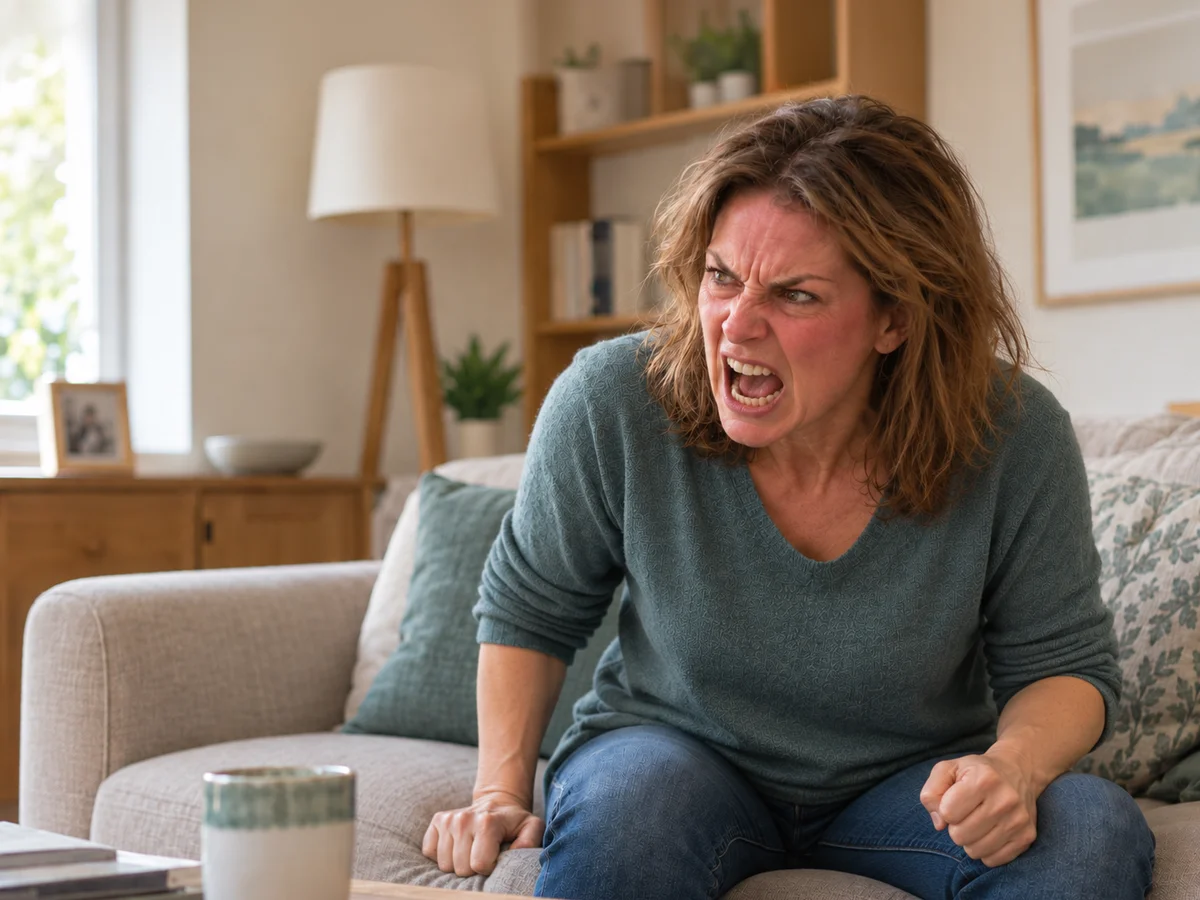
Perimenopause Rage: Understanding the Anger That Seems to Come From Nowhere
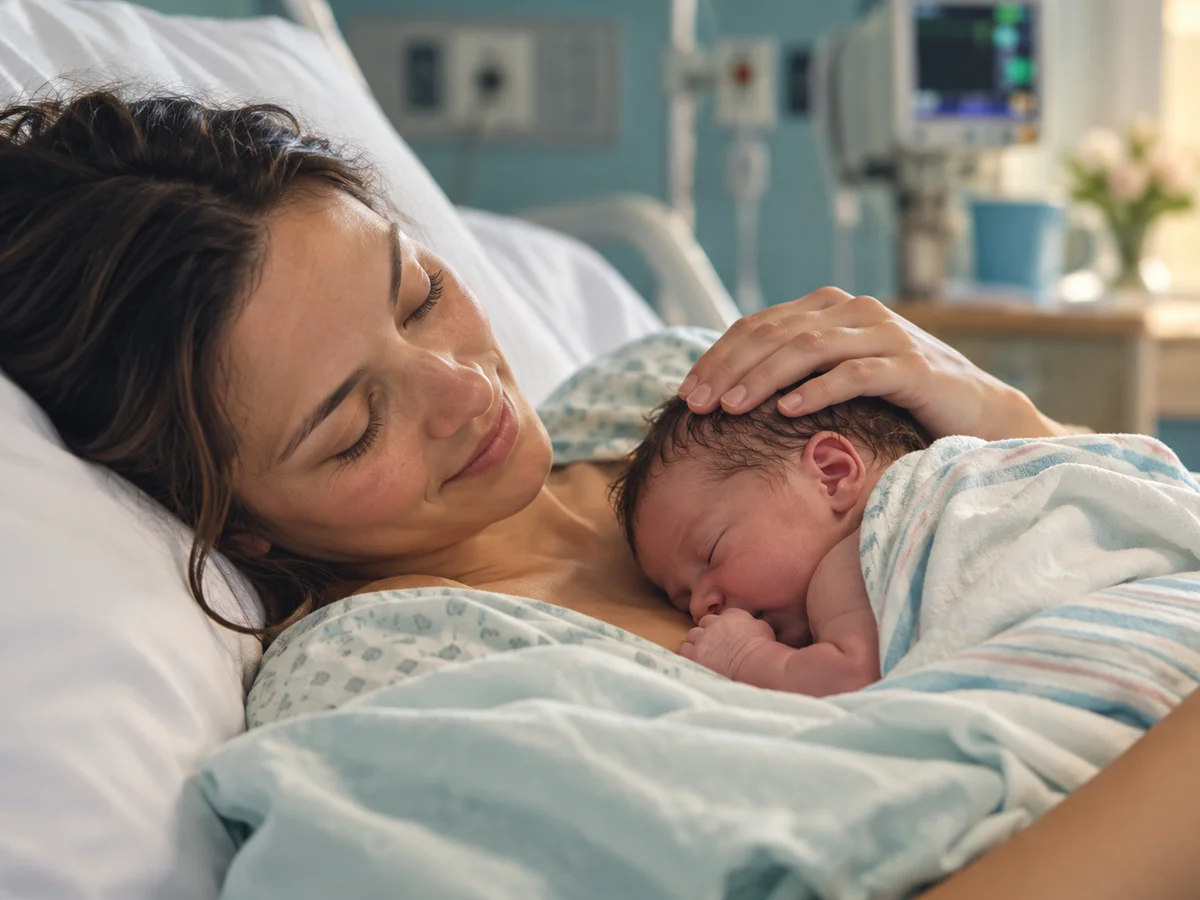
Birth Trauma: When Childbirth Leaves Lasting Psychological Wounds
Meet Our Founder
Built by someone who saw the need from the inside

★
SCoPEd Band C
MBACP & SNCPS Senior Accredited
“Having worked for more than 25 years in senior management, I saw the same thing repeatedly — people struggling with mental health and relationship challenges, and so often struggling to access the right support when it was needed. It was out of this recognition of human need that Hope was born.”
Ian Stockbridge founded Hope Therapy after 25+ years leading large commercial teams – watching colleagues carry stress, anxiety, and personal difficulty with nowhere to turn. He retrained rigorously, now holding Senior Accredited status with both the BACP and NCPS, alongside SCoPEd Band C — the highest independent competence verification in the UK counselling profession.
He remains a practising therapist, clinical supervisor, published author of PMDD Uncovered, and co-presenter of The Talk Room Podcast. Hope Therapy was built on the things he saw were most broken – and designed, from the ground up, to do better.
MBACP (Senior Accredited)
SNCPS (Acc)
SCoPEd Band C
BSc (Hons) CBT
PGCert Supervision L7
Quality Award 2024 — 95%+


You don’t have to wait until you’re at breaking point
A free, no-obligation 15-minute conversation. No pressure, no script — just a chance to be heard, ask questions, and see whether we feel like the right fit.
Get in Touch
Start your enquiry
Not sure where to start? Send us a message and a member of our team will get back to you. All enquiries are treated in the strictest confidence.
★ ★ ★ ★ ★
“From the very first phone call, I felt heard. They didn’t rush me — they helped me work out what I needed.”
Hope Therapy enquiry feedback
NCPS Organisational Member
Est 2014
90+ Qualified Therapists

National Counselling & Psychotherapy Society
British Association for Counselling and Psychotherapy

British Association for Behavioural & Cognitive Psychotherapies
Individual registrations vary per therapist. Last reviewed: May 2026.