
Conditions
When a habit stops feeling like a choice
Counselling for the emotional and relational impact of addictive behaviours — online across the UK and face-to-face across England. Understanding what sits beneath the pattern is where real change begins.
NCPS Organisational Member
Professionally registered therapists
Free 15-minute consultation
★ ★ ★ ★ ★“I was ashamed to ask for help. From the very first call, they made it clear there was no judgement — just genuine understanding.”
Client who sought support for compulsive behaviour
5,000+
People supported
90+
Qualified therapists
5 ★
Website testimonials
20+
Counties across England
You already know something needs to change — you just cannot seem to make it stick
Maybe you have tried to cut back — on the drinking, the gambling, the late-night scrolling, the porn, the compulsive spending — and for a while, it worked. But then the pull came back, and with it the familiar cycle of doing the thing, feeling the relief, and then the guilt, the shame, and the quiet promise that tomorrow will be different.
Or maybe it has not reached a point of crisis. Nobody else has noticed. But privately, you know that something has shifted. What started as a comfort, a release, or a way of coping has become something you feel less and less in control of. You think about it more than you want to. You hide it from the people closest to you. You feel worse about yourself than you did six months ago.
That tension between wanting to stop and not being able to is one of the most isolating experiences there is. It does not mean you are weak. It usually means something deeper is going on — something that counselling is well placed to help with.
What we offer
Counselling for the emotional and relational impact of addictive and compulsive behaviours. We help you explore what sits beneath the pattern — the anxiety, the shame, the relationship strain, the unprocessed experiences — in a confidential, non-judgemental space.
What we do not provide
Clinical addiction treatment, medical detox, residential rehabilitation, or substance dependency programmes. If your situation requires that level of support, we will help you find the right service.
Specialist support
· GamCare: 0808 802 0133 · FRANK: 0300 123 6600 · NHS: contact your GP
Compulsive behaviour is rarely about the behaviour itself
When something becomes compulsive — whether it is drinking, gambling, porn use, gaming, or reaching for your phone every few minutes — it is usually serving a purpose. It might be numbing anxiety, filling loneliness, escaping from stress, or avoiding feelings that feel too big to sit with.
That does not make the behaviour harmless. Over time, addictive patterns can erode relationships, damage self-esteem, cause financial strain, and create a deepening sense of shame and secrecy. But understanding what the behaviour is doing for you — what need it is meeting — is usually the starting point for lasting change.
Counselling does not begin with asking you to stop. It begins with understanding why you started, what keeps you coming back, and what would need to be different for the pattern to shift. That understanding, in the experience of many people, is what makes the difference between willpower that runs out and change that lasts.
Areas we support
Understanding the different patterns
We offer counselling support across a range of addictive and compulsive behaviours. Each area has its own page with more detailed information.
How addiction counselling helps
Counselling for addictive behaviours does not start with demands or instructions. It starts with listening — genuinely understanding what is going on for you, without judgement, without labels, and without assumptions about what you should do next.
Your therapist can help you explore the emotional triggers and underlying experiences that fuel compulsive patterns — the stress, the loneliness, the unresolved hurt, the anxiety that has nowhere else to go. They can help you understand the cycle you are caught in and begin to develop a different relationship with the behaviour, rather than simply trying to suppress it through willpower alone.
For some people, that means working towards stopping completely. For others, it means understanding and moderating a behaviour that has got out of balance. The direction is yours — counselling gives you the space and the support to find it.
If your situation also involves anxiety, depression, relationship difficulties, trauma, or self-esteem concerns — as it very often does — your therapist can work with those too. Addictive behaviours rarely exist in isolation, and effective counselling addresses the whole picture.
Sessions are confidential. There are limited circumstances where confidentiality may need to change — for example, if there is a serious risk of harm to you or someone else — and your therapist will explain these clearly at the outset.
Our Approach
How we work with addictive behaviours
We offer several evidence-based approaches, and your therapist will recommend the one that best fits your situation.
Counselling
A space to explore what is driving the compulsive behaviour at your own pace, with a therapist who listens without judgement. Understanding the emotional roots is often the key to lasting change.
Learn more about counselling →
CBT
Cognitive Behavioural Therapy can help you recognise the thought patterns and triggers that maintain addictive cycles, and develop practical strategies for responding differently.
Learn more about CBT →
Hypnotherapy
Hypnotherapy can help address compulsive behaviours at a deeper level, working with the subconscious patterns that keep you repeating cycles you consciously want to break.
Learn more about hypnotherapy →
Our booking team and your therapist will discuss which approach — or combination — feels most appropriate for what you are bringing. You do not need to know which is right before you start.
What our clients say
Real experiences
★ ★ ★ ★ ★
I was ashamed to ask for help. From the very first call, they made it clear there was no judgement — just genuine understanding. That made it possible to be honest.
Client who sought support for compulsive behaviour
★ ★ ★ ★ ★
I did not think counselling was for people like me. But my therapist helped me see that what I was doing was not about willpower — it was about pain I had not dealt with.
Client who sought support for addictive patterns
★ ★ ★ ★ ★
The free consultation put me at ease straight away. I was nervous about opening up, but from the very first session, I felt genuinely listened to. I would recommend Hope Therapy to anyone thinking about getting support.
Client who sought support for behavioural concerns
Client experiences are unique. Results vary between individuals.
Getting started
What to expect
Starting counselling can feel like a big step — especially when shame or secrecy is involved. Here is how it works.
1
Free consultation
A brief, relaxed 15-minute conversation with a member of our booking team. We listen to what is going on and explore whether counselling could help. No pressure, no obligation.
2
Matched with a therapist
Based on your needs and preferences, we carefully match you with one of our 90+ qualified therapists. If it does not feel right, we will find someone else — at no extra cost.
3
Your first session
Your therapist will take time to understand your situation and what you are hoping to work on. There is no rush, no script, and nothing you have to share before you are ready.
Most clients hear back from us the same working day, and typically begin sessions within a week of the free consultation — depending on your preferences and therapist availability.
Standards you can trust
How we match you with the right therapist for addictive behaviours
Choosing a therapist is a personal decision, and we take time to get the match right.
A careful match, not a long list
Therapist availability changes from week to week, so rather than asking you to choose from a directory, we take time during your free 15-minute consultation to understand what you are looking for — and then match you with a therapist suited to your needs.
During the consultation, we will ask about:
- What you would like the work to focus on, and any specific concerns you would like support with
- Whether you would prefer face-to-face counselling, online sessions, or a combination of the two
- Any preferences around therapy approach (counselling, CBT, EMDR, hypnotherapy, mindfulness, ACT, compassion focused therapy and others)
- Day and time availability that works around your life
- Any specialisms that matter to you — for example LGBTQIA+ affirming therapy, neurodiversity-affirming support, or particular life experiences
- Practical preferences — for example therapist gender, age range, or shared lived experience where that matters to you
All therapists we work with are qualified and registered with appropriate UK professional bodies, and we will confirm the most suitable options with you before any sessions begin.
Professional standards across our team
Hope Therapy & Counselling Services has been operating since 2014, and we hold Organisational Membership with the National Counselling & Psychotherapy Society (NCPS). We work in line with the NCPS Code of Ethics and BACP Good Practice, and our wider clinical standards include:
- Qualified, professionally registered therapists across the team — registrations vary per therapist and are confirmed before matching
- Ongoing clinical supervision in line with professional body requirements
- Continuing professional development to maintain and develop practice
- Clear confidentiality standards, with limits explained before sessions begin
- Client-centred, non-judgemental and inclusive practice across all areas of identity and experience
- Founder-led clinical oversight from Ian Stockbridge — MBACP (Senior Accredited) – who continues to lead the practice and oversee its standards
Whether you choose face-to-face counselling near you or online therapy from anywhere in the UK, you can expect to be matched with a therapist who is appropriately qualified and suited to the support you are looking for.
Transparent Pricing
Our fees
No hidden costs. Your therapist and fees are discussed during your free consultation.
Counselling
From £65
per 50-minute session
- Person-centred or integrative approach
- Online via Zoom or telephone
- Face-to-face where available
CBT
From £85
per 50-minute session
- Structured, goal-focused approach
- Practical tools and strategies
- Online or face-to-face
Couples Counselling
From £85
per 50-minute session
- Support for both partners
- When addiction affects a relationship
- Online or face-to-face
Looking for a more affordable option? We may be able to offer sessions at a reduced rate — just ask during your free consultation.
London clients: Location-adjusted rates may apply. Please ask during your free consultation and we will confirm the exact fee before you commit to anything.
Common Questions
Frequently asked questions
What kind of addiction support does Hope Therapy offer?
We provide counselling for the emotional and relational impact of addictive and compulsive behaviours — including concerns around porn use, alcohol, gambling, and screen or social media use. We do not provide clinical addiction treatment, detox, or medical intervention. Our focus is on understanding what drives the behaviour and supporting you to make changes that feel right for you.
Do I need to have a diagnosed addiction to get support?
No. You do not need a diagnosis or a label. Many people who come to us are simply concerned about a pattern of behaviour that feels difficult to control — whether that is drinking more than they would like, spending too much time on screens, or feeling trapped in a cycle they want to break. Counselling can help you make sense of what is going on without needing to define it first.
Is addiction counselling available online?
Yes. All of our counsellors offer sessions online via Zoom or telephone, so you can access support from anywhere in the UK. If you prefer face-to-face sessions, we also have therapists available in locations across England.
Is everything I say in counselling confidential?
Yes. Sessions are confidential in line with professional ethical standards. There are some limited exceptions — for example, where there is a serious risk of harm to you or someone else — and your therapist will explain these clearly before you begin.
What if I need more specialist support?
If your situation requires clinical addiction treatment, medical detox, or specialist intervention beyond what counselling can offer, we will be open about that and help you find the right service. We work alongside, not instead of, specialist addiction services — and there is no judgement in recognising that a different kind of support might be more appropriate.
Can counselling help if someone close to me has an addiction?
Yes. Living alongside someone else’s addictive behaviour can be deeply stressful and isolating. We offer counselling for partners, family members, and anyone affected by another person’s compulsive behaviour — helping you process the emotional impact and find ways to look after yourself.
Related Support
You might also find these helpful
Related conditions
Therapy approaches
From our Blog
Articles about addiction and compulsive behaviour


Meet Our Founder
Built by someone who saw the need from the inside
★
SCoPEd Band C
MBACP & SNCPS Senior Accredited
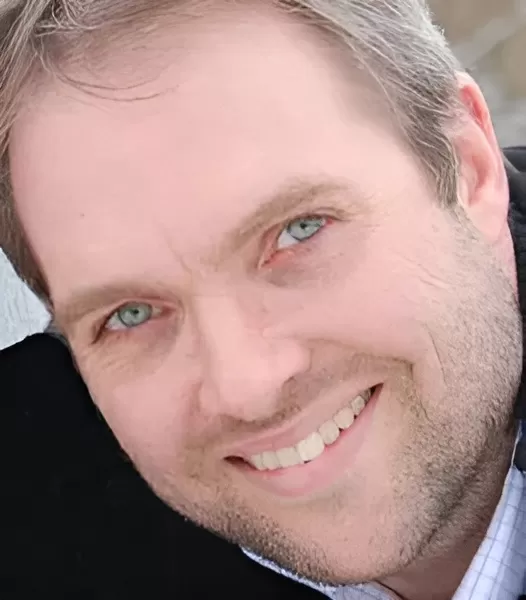
“Having worked for more than 25 years in senior management, I saw the same thing repeatedly — people struggling with mental health and relationship challenges, and so often struggling to access the right support when it was needed. It was out of this recognition of human need that Hope was born.”
Ian Stockbridge founded Hope Therapy after 25+ years leading large commercial teams – watching colleagues carry stress, anxiety, and personal difficulty with nowhere to turn. He retrained rigorously, now holding Senior Accredited status with both the BACP and NCPS, alongside SCoPEd Band C — the highest independent competence verification in the UK counselling profession.
He remains a practising therapist, clinical supervisor, published author of PMDD Uncovered, and co-presenter of The Talk Room Podcast. Hope Therapy was built on the things he saw were most broken – and designed, from the ground up, to do better.
MBACP (Senior Accredited)
SNCPS (Acc)
SCoPEd Band C
BSc (Hons) CBT
PGCert Supervision L7
Quality Award 2024 — 95%+

You do not have to wait until things get worse
A free, no-obligation 15-minute conversation. No pressure, no script — just a chance to be heard, ask questions, and see whether we feel like the right fit.
Get in Touch
Start your enquiry
Not sure where to start? Send us a message and a member of our team will get back to you. All enquiries are treated in the strictest confidence.
★ ★ ★ ★ ★
“From the very first phone call, I felt heard. They didn’t rush me — they helped me work out what I needed.”
Hope Therapy enquiry feedback
NCPS Organisational Member
Est 2014
90+ Qualified Therapists
National Counselling & Psychotherapy Society
British Association for Counselling and Psychotherapy
British Association for Behavioural & Cognitive Psychotherapies
Individual registrations vary per therapist. Last reviewed: May 2026.