
Conditions
When lying feels like the only option you have
Qualified counsellors offering support for mythomania and compulsive lying across England — online nationwide and face-to-face. Understanding what’s driving it is where things can start to shift.
NCPS Organisational Member
Professionally registered therapists
Free 15-minute consultation

★ ★ ★ ★ ★“I had carried this for years, terrified anyone would find out. Being able to say it out loud, without judgment, was the first time I felt anything could change.”
Client who sought support for compulsive lying
5,000+
People supported
90+
Qualified therapists
5 ★
Website testimonials
20+
Counties across England
It’s more complicated than simply telling lies
You may have told a lie today — and not entirely understood why. Maybe it was a small embellishment that seemed harmless. Maybe it was something much bigger, a story that spiralled further than you intended, leaving you trapped in a version of events you can no longer keep straight. If that feeling is familiar — the quiet dread of being found out, the exhaustion of maintaining a fabricated version of yourself — you already know how wearing it can be.
Mythomania, also known as compulsive or pathological lying, describes a persistent pattern where lying becomes habitual, often compulsive, and frequently without any obvious gain. For many people, it developed as a way of managing something harder — a fear of rejection, deep uncertainty about your own worth, a protective layer built over experiences that felt unsafe. It is not simply a character flaw or a choice you keep making. It is a behaviour that started for reasons.
The consequences can feel just as painful as whatever is underneath. Relationships erode. Trust becomes hard to rebuild. Many people carry significant shame about their own behaviour, while genuinely feeling unable to stop. If you recognise any of this, counselling can offer a place to begin understanding what is really going on — without judgement, and at your own pace.
Compulsive lying rarely comes from nowhere
For many people, lying begins as a coping mechanism — a way of managing anxiety, protecting self-esteem, or avoiding consequences in situations where honesty felt dangerous or simply impossible. Over time, the behaviour can become automatic. The brain, in a sense, practises lying until it feels easier than telling the truth.
Low self-esteem and a need for approval are common threads. If you grew up in an environment where your real self didn’t feel accepted — or where mistakes carried serious consequences — learning to present a more acceptable version of yourself may have felt necessary. Trauma, neglect, and earlier experiences of feeling powerless or unheard can all play a role.
Mythomania is not currently listed as a standalone diagnosis in the DSM-5, but it is widely recognised by clinicians as a significant psychological pattern. It is often associated with conditions such as anxiety, borderline personality disorder, or ADHD — not because these cause dishonesty, but because the emotional regulation challenges they involve can make compulsive patterns harder to interrupt. Whatever its origins for you specifically, this pattern can be explored, understood, and worked with.
How counselling can help
Counselling does not begin with judgement. Your therapist will not be there to evaluate whether you are a good or bad person — they are there to offer a confidential, non-judgmental space in which you can begin to look honestly at your own patterns.
The work in sessions might involve exploring the roots of compulsive lying: the fears, the unmet needs, the earlier experiences that made dishonesty feel necessary or safe. Over time, it can create an opportunity to develop a more grounded relationship with your own thoughts and feelings — one where honesty with yourself, and eventually with others, feels less threatening.
Depending on what feels most useful, your therapist might draw on person-centred approaches to explore your sense of self; on CBT techniques to examine the thoughts and triggers that drive the behaviour; or on deeper psychodynamic work to understand patterns that formed earlier in your life. Many people find that simply having a consistent, trusted person who knows the real picture — someone they cannot lie to — is itself a meaningful part of the process.
Sessions are confidential. There are limited circumstances where confidentiality may need to change — for example, if there is a serious risk of harm to you or someone else — and your therapist will explain these clearly at the outset.
Our Approach
How we work with mythomania
We offer several evidence-informed approaches, and your therapist will draw on whatever feels most suited to your situation.
Counselling
A compassionate, non-directive space to explore the experience of compulsive lying at your own pace — including the shame, the isolation, and the relationships affected. Useful for building self-awareness and developing a more honest relationship with yourself.
Learn more about counselling →
CBT
Cognitive Behavioural Therapy helps identify the thoughts, feelings and situations that trigger compulsive lying, and supports the development of alternative responses. Structured and practical in its approach.
Learn more about CBT →
What our clients say
Real experiences
★ ★ ★ ★ ★
I’d carried a lot of shame about my behaviour for years. My counsellor never made me feel judged — she helped me understand where it had all come from. That made a real difference.
Daniel, who sought support for compulsive lying
★ ★ ★ ★ ★
I wasn’t sure therapy could help with something like this. But being honest with someone — properly honest — for the first time in years was more useful than I ever expected.
Priya, who sought support for mythomania
★ ★ ★ ★ ★
The free consultation put me at ease straight away. I could talk about things I’d never said out loud before. The online sessions worked really well — I’d recommend Hope Therapy to anyone.
Chris, who sought support online for compulsive lying
Client experiences are unique. Results vary between individuals.
Getting Started
What to expect
Taking the first step can feel daunting — here is how the process works.
1
Free consultation
A brief, relaxed 15-minute conversation with a member of our booking team. We listen to what is going on and explore whether counselling could help. No pressure, no obligation.
2
Matched with a therapist
Based on your needs and preferences, we carefully match you with one of our 90+ qualified therapists. If the fit doesn’t feel right, we will find someone else — at no extra cost.
3
Your first session
Your therapist will take time to understand your situation and what you are hoping to work on. There is no rush and nothing you have to share before you are ready.
Most clients hear back from us the same working day, and typically begin sessions within a week of the free consultation — depending on your preferences and therapist availability.
Standards you can trust
How we match you with the right therapist for support with compulsive lying
Choosing a therapist is a personal decision, and we take time to get the match right.
A careful match, not a long list
Therapist availability changes from week to week, so rather than asking you to choose from a directory, we take time during your free 15-minute consultation to understand what you are looking for — and then match you with a therapist suited to your needs.
During the consultation, we will ask about:
- What you would like the work to focus on, and any specific concerns you would like support with
- Whether you would prefer face-to-face counselling, online sessions, or a combination of the two
- Any preferences around therapy approach (counselling, CBT, EMDR, hypnotherapy, mindfulness, ACT, compassion focused therapy and others)
- Day and time availability that works around your life
- Any specialisms that matter to you — for example LGBTQIA+ affirming therapy, neurodiversity-affirming support, or particular life experiences
- Practical preferences — for example therapist gender, age range, or shared lived experience where that matters to you
All therapists we work with are qualified and registered with appropriate UK professional bodies, and we will confirm the most suitable options with you before any sessions begin.
Professional standards across our team
Hope Therapy & Counselling Services has been operating since 2014, and we hold Organisational Membership with the National Counselling & Psychotherapy Society (NCPS). We work in line with the NCPS Code of Ethics and BACP Good Practice, and our wider clinical standards include:
- Qualified, professionally registered therapists across the team — registrations vary per therapist and are confirmed before matching
- Ongoing clinical supervision in line with professional body requirements
- Continuing professional development to maintain and develop practice
- Clear confidentiality standards, with limits explained before sessions begin
- Client-centred, non-judgemental and inclusive practice across all areas of identity and experience
- Founder-led clinical oversight from Ian Stockbridge — MBACP (Senior Accredited) – who continues to lead the practice and oversee its standards
Whether you choose face-to-face counselling near you or online therapy from anywhere in the UK, you can expect to be matched with a therapist who is appropriately qualified and suited to the support you are looking for.
Transparent Pricing
Our fees
No hidden costs. Your therapist and fees are discussed during your free consultation.
Counselling
From £65
per 50-minute session
- Person-centred or integrative approach
- Online via Zoom or telephone
- Face-to-face where available
CBT
From £85
per 50-minute session
- Structured, goal-focused approach
- Practical tools and strategies
- Online or face-to-face
Looking for a more affordable option? We may be able to offer sessions at a reduced rate — just ask during your free consultation.
London clients: Location-adjusted rates may apply. Please ask during your free consultation and we will confirm the exact fee before you commit to anything.
A printable overview of our counselling service for mythomania — useful to keep or share.
Common Questions
Frequently asked questions
Is mythomania a recognised mental health condition?
Mythomania is not currently listed as a standalone diagnosis in the DSM-5, but it is widely recognised by mental health professionals as a significant psychological pattern that causes real distress. It is often associated with anxiety, personality disorders, and trauma histories. Hope Therapy does not provide diagnosis, but our counsellors can offer a supportive space to explore compulsive lying and what may be driving it.
Do I need a diagnosis to come to counselling for mythomania?
No. You do not need a diagnosis or a label to seek support. If lying has become a persistent pattern that is affecting your relationships or sense of self, that is reason enough to explore it in counselling. Our therapists work with the experience you bring, not a diagnostic category.
Will counselling stop me from lying?
Counselling does not work as a switch. The aim is not simply to stop the behaviour but to understand what is driving it — the fears, unmet needs, or earlier experiences that made lying feel necessary. As that understanding grows, many people find the compulsion becomes less powerful over time.
Is support for mythomania available online?
Yes. All of our counsellors offer sessions online via Zoom or telephone, so you can access support from anywhere in the UK. If you prefer face-to-face sessions, we also have therapists available in locations across England.
Is everything I say in counselling confidential?
Yes. Sessions are confidential in line with professional ethical standards. There are some limited exceptions — for example, where there is a serious risk of harm to you or someone else — and your therapist will explain these clearly before you begin.
How many sessions will I need?
It depends on your individual situation. Some people find a short block of sessions gives them the insight and tools they need. Others benefit from longer-term work, particularly if compulsive lying is connected to deeper patterns or earlier experiences. There is no fixed number — your therapist will discuss this with you as you go.
Still have questions? The free consultation is the easiest way to ask them — no pressure to book sessions.
Related Support
You might also find these helpful
Related conditions
Therapeutic approaches



Meet Our Founder
Built by someone who saw the need from the inside
★
SCoPEd Band C
MBACP & SNCPS Senior Accredited
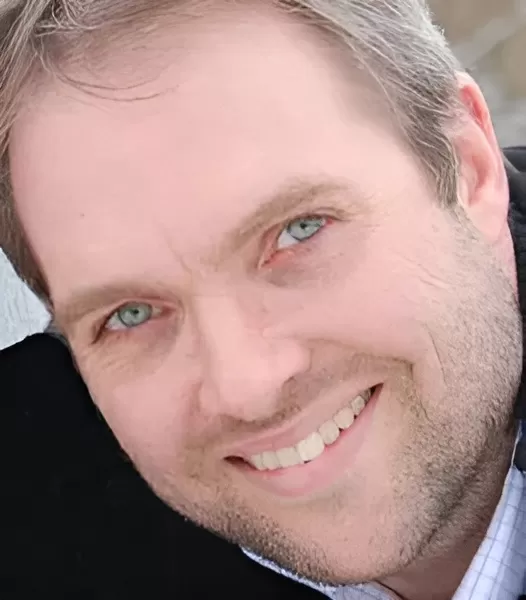
“Having worked for more than 25 years in senior management, I saw the same thing repeatedly — people struggling with mental health and relationship challenges, and so often struggling to access the right support when it was needed. It was out of this recognition of human need that Hope was born.”
Ian Stockbridge founded Hope Therapy after 25+ years leading large commercial teams – watching colleagues carry stress, anxiety, and personal difficulty with nowhere to turn. He retrained rigorously, now holding Senior Accredited status with both the BACP and NCPS, alongside SCoPEd Band C — the highest independent competence verification in the UK counselling profession.
He remains a practising therapist, clinical supervisor, published author of PMDD Uncovered, and co-presenter of The Talk Room Podcast. Hope Therapy was built on the things he saw were most broken – and designed, from the ground up, to do better.
MBACP (Senior Accredited)
SNCPS (Acc)
SCoPEd Band C
BSc (Hons) CBT
PGCert Supervision L7
Quality Award 2024 — 95%+

You do not have to be ready to be honest about everything
A free, no-obligation 15-minute conversation. No pressure, no script — just a chance to be heard, ask questions, and see whether we feel like the right fit.
Get in Touch
Start your enquiry
Not sure where to start? Send us a message and a member of our team will get back to you. All enquiries are treated in the strictest confidence.
★ ★ ★ ★ ★
“From the very first phone call, I felt heard. They didn’t rush me — they helped me work out what I needed.”
Hope Therapy enquiry feedback
NCPS Organisational Member
Est 2014
90+ Qualified Therapists
National Counselling & Psychotherapy Society
British Association for Counselling and Psychotherapy
British Association for Behavioural & Cognitive Psychotherapies
Individual registrations vary per therapist. Last reviewed: May 2026.