BLOG
Grief and Anxiety: When Loss Triggers Fear and Panic
- By Steve Pointon
- Person-Centred Counsellor, Hope Therapy & Counselling Services
- 27th August 2026
- 6–9 minutes
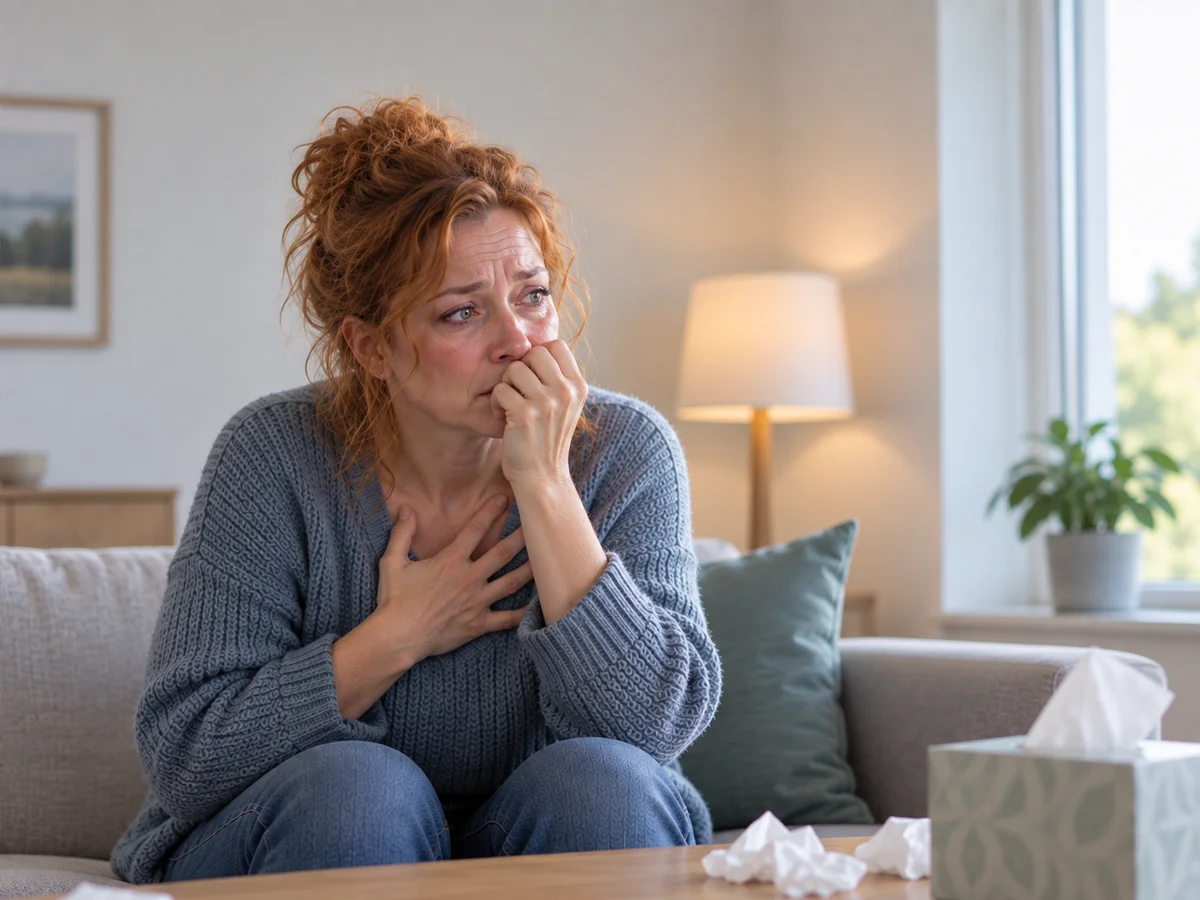
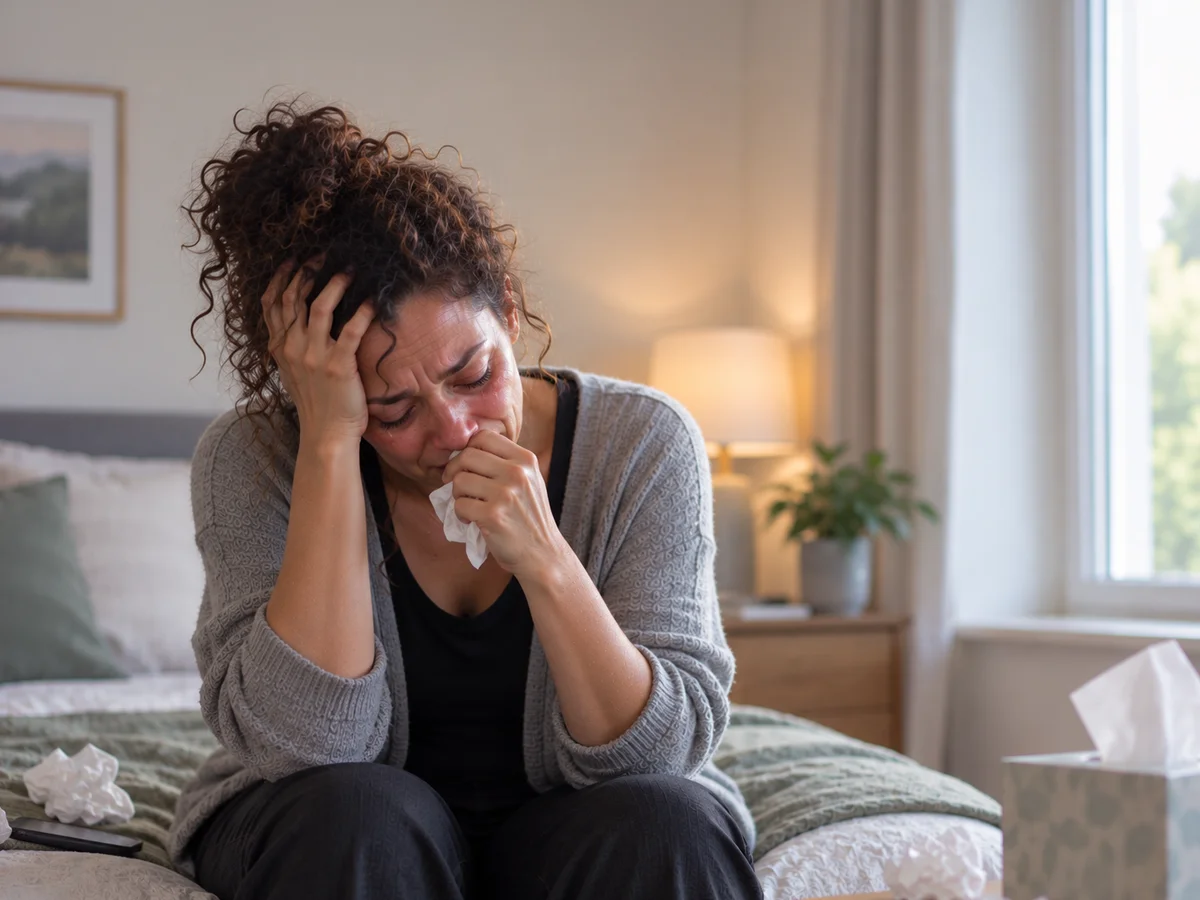
Grief and anxiety do not always arrive together, but they do more often than most people expect. The loss of someone significant can trigger fear, panic attacks, a new and persistent worry about death, or an intensification of anxiety that already existed. For many people, this comes as a surprise, they were expecting sadness, not fear. This post explains the connection between grief and anxiety, why it happens, and what the experience typically looks like.
This article is intended for general information and educational purposes only and should not be considered medical, psychiatric, psychological, or therapeutic advice. Every person’s circumstances are unique, and reading this article does not create a therapeutic relationship with Hope Therapy & Counselling Services. If you are concerned about your mental health or emotional wellbeing, we encourage you to seek support from a suitably qualified healthcare or mental health professional. Hope Therapy & Counselling Services offers a free 15-minute consultation – book yours now.
Can Grief Cause Anxiety?
Grief can cause anxiety, and there are several clear mechanisms through which this happens. The death of someone significant removes what can be called an assumption of safety, a largely unconscious set of beliefs about how the world works, which people are reliable constants, and what the future holds. When that assumption is disrupted, the nervous system experiences a genuine threat response, and anxiety is part of that response.
The loss also confronts the bereaved person directly with mortality, their own and others’. For many people, the death of a parent, peer, or person of similar age produces a vivid awareness that death is real and that their own life is finite in a way that was previously abstract. This existential encounter can produce genuine and sustained anxiety that is qualitatively different from ordinary worry.
What grief anxiety feels like
Grief anxiety does not always feel like the word ‘anxiety’ implies. It can present as a persistent sense of unease that does not have a specific object, a background feeling that something terrible is about to happen.
It can present as hypervigilance about the health of people who remain, a new, disproportionate fear about a partner, child, or friend becoming ill. It can present as difficulty sleeping due to fear rather than sadness. And it can present as panic attacks, sudden, intense episodes of physical fear that arrive without obvious trigger.
The connection between these experiences and the grief that preceded them is not always apparent to the person experiencing them. This is partly because anxiety and grief are differently labelled, people expect grief to produce sadness, so when it produces fear, they may not recognise it as grief at all.
Can Grief Cause Panic Attacks?
Grief can cause panic attacks, and they are more common in bereavement than is generally known. Panic attacks in grief typically follow the same pattern as panic attacks in other contexts: sudden onset, intense physical symptoms (racing heart, difficulty breathing, chest tightness, dizziness, a feeling of unreality or of being about to die), and rapid resolution, usually within ten to twenty minutes.
What distinguishes grief-related panic attacks is their context. They may be triggered by reminders of the loss, a smell, a sound, a familiar location, or they may arrive without apparent trigger, in contexts that feel entirely safe. In both cases, the underlying driver is the nervous system’s response to a threat it has registered: the reality of loss and mortality.
Panic attacks in grief can be frightening both because of the intensity of the physical experience and because the person experiencing them may not understand why they are happening. Understanding the connection to grief does not eliminate the panic, but it reframes it in a way that is less frightening.
What Is Health Anxiety After Bereavement?
Health anxiety following bereavement, a preoccupation with illness or death in oneself or others that goes beyond ordinary concern, is one of the most common and least discussed forms of grief and anxiety. Having witnessed or been aware of another person’s death, the bereaved person becomes acutely sensitised to the fragility of the body and to physical symptoms that previously went unnoticed.
This can manifest as persistent worry about specific symptoms, frequent checking of the body, reassurance-seeking from GPs or from people around them, and difficulty tolerating the uncertainty involved in ordinary physical experience. It can be distressing for the person experiencing it and exhausting for those around them.
Is anxiety making your grief harder to manage?
A free 15-minute consultation is a good place to start. No preparation needed, no commitment
Is Grief Anxiety Different From Clinical Anxiety?
Grief anxiety and clinical anxiety share features, the worry, the physical symptoms, the avoidance behaviours that anxiety can produce, but they are not identical. Grief anxiety has an identifiable cause: the loss that preceded it. It is grief’s fear response rather than an anxiety disorder in its own right, though for people who were already predisposed to anxiety, bereavement can act as the trigger for a more established anxiety presentation.
The distinction matters for how support is approached. Grief anxiety benefits most from support that addresses both the grief and the anxiety together, understanding what the fear is actually about (the loss, the mortality, the vulnerability it has revealed) rather than treating the anxiety symptoms in isolation.
When grief anxiety becomes something more
For some people, bereavement triggers an anxiety presentation that develops its own momentum and persists beyond the acute grief period. When panic attacks, health anxiety, or generalised worry are significantly affecting daily function for many weeks, and do not show signs of easing as the grief itself begins to settle, this warrants dedicated attention alongside the bereavement support.
A practitioner experienced in both grief and anxiety can help identify what is driving the persistent anxiety, distinguish between grief-driven fear and a more established anxiety presentation, and support both in an integrated way, rather than treating them as separate problems requiring separate solutions.
How Can Counselling Help With Grief and Anxiety?
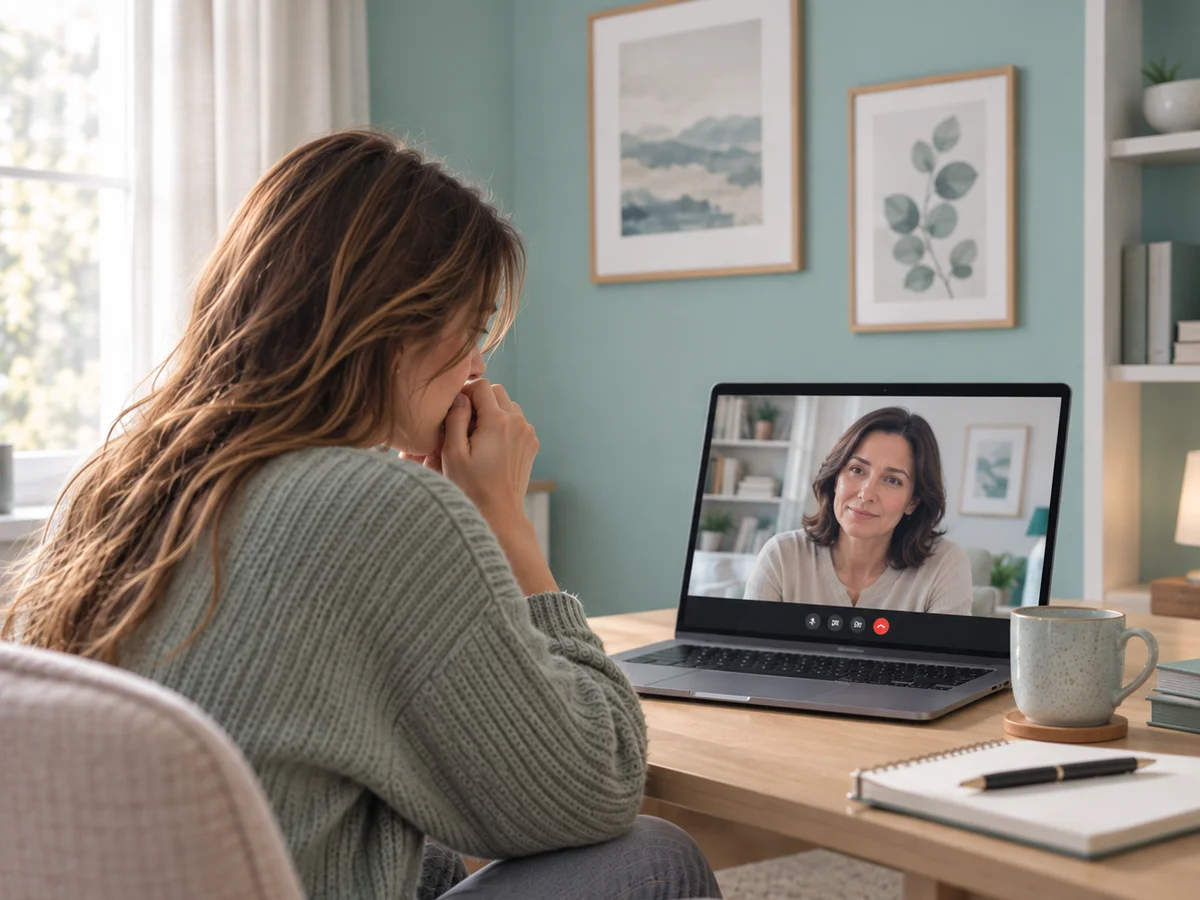
Counselling can address grief and anxiety together in a way that treating either in isolation cannot. It provides a space to understand what the anxiety is responding to, which aspects of the loss feel threatening, which assumptions have been disrupted, and what the fear is actually saying beneath its symptoms.
A counsellor experienced in both grief and anxiety can help identify the specific patterns, the triggers, the avoidance behaviours, the health worries, and work with the person to understand and reduce them in the context of the grief they are part of. CBT-based approaches are well evidenced for anxiety and can be applied thoughtfully in a grief context.
Support from Hope Therapy & Counselling Services is available online nationwide and face-to-face across England. Practitioners with experience in both bereavement and anxiety work with people carrying both together.
Ready to Take the First Step?
If grief has brought anxiety with it, fear, panic, worry about health, or a persistent sense that something terrible is about to happen, you do not need to manage it alone.
A free, no-obligation 15-minute conversation is a good place to start. No preparation needed, no pressure to commit.
- Free 15-minute consultation
- No commitment
- Qualified & registered therapists
- LGBTQIA+ affirming support
- NCPS organisational member
- Online nationwide
- Face-to-face across England
- Established 2014
This article is intended for general information and educational purposes only and should not be considered medical, psychiatric, psychological, or therapeutic advice. Every person’s circumstances are unique, and reading this article does not create a therapeutic relationship with Hope Therapy & Counselling Services. If you are concerned about your mental health or emotional wellbeing, we encourage you to seek support from a suitably qualified healthcare or mental health professional. Hope Therapy & Counselling Services offers a free 15-minute consultation – book yours now.
Frequently Asked Questions
Can grief cause anxiety?
Yes. Grief can cause anxiety through several mechanisms. The death of someone significant disrupts an unconscious assumption of safety, the nervous system responds to this disruption with a threat response that includes anxiety. Grief also confronts the bereaved person directly with mortality, producing existential anxiety that is qualitatively different from ordinary worry.
Can grief cause panic attacks?
Yes. Panic attacks are more common in bereavement than is generally known. They follow the same pattern as panic attacks in other contexts, sudden onset, intense physical symptoms, rapid resolution, but are driven by the nervous system’s response to loss and mortality. They may be triggered by reminders of the loss or arrive without apparent trigger.
What is health anxiety after bereavement?
Health anxiety following bereavement is a preoccupation with illness or death in oneself or others that goes beyond ordinary concern. Having witnessed another person’s death, the bereaved person becomes sensitised to physical symptoms and the fragility of the body. It can manifest as persistent worry about specific symptoms, frequent body-checking, and reassurance-seeking.
Find the Right Support for You
Our general counselling services page can help you determine what sort of therapy may be suitable for you.
Get Help With Other Conditions
Our general conditions page is a great place to start.
About THE AUTHOR
Before qualifying as a counsellor, Steve built a varied career centred on supporting and advocating for others. Alongside his work in a hospice supporting palliative patients, families, and bereaved individuals, he has worked as a telephone counsellor, Community Development Officer, and Patient Advocate, giving him extensive experience helping people through some of life’s most challenging circumstances.
Steve holds a BSc (Hons) in Person-Centred Counselling from the University of Derby and is a Registered Member of the British Association for Counselling and Psychotherapy (BACP). His practice is grounded in the Person-Centred approach and complemented by training in Acceptance and Commitment Therapy (ACT), providing clients with both a compassionate therapeutic relationship and practical tools for navigating difficult thoughts and emotions.
His specialist interests include bereavement and grief, cancer support, life-limiting illness, anxiety, depression, life transitions, relationship difficulties, and personal growth. His hospice experience has given him a particular depth of understanding when supporting people facing loss, serious illness, and profound life change.
Steve provides a warm, genuine, and accepting environment where clients can explore their experiences at their own pace. He believes that feeling truly heard and understood creates the foundation for meaningful change, helping people build resilience, find clarity, and move forward with greater confidence.
- MBACP Registered
- BSc (Hons) Person-Centred Counselling
- Acceptance & Commitment Therapy (ACT)
- Person-Centred Counsellor
- Bereavement & Grief
- Hospice Experience
- Life-limiting Illness & Palliative Support
- Cancer Support
- Life Transitions
Free 15-minute consultation
A no-pressure conversation to find the right therapist for you. No commitment needed.
THE AUTHOR

Steve Pointon
MBACP
Person-Centred counsellor with a hospice background, supporting adults through bereavement, cancer, life-limiting illness, anxiety, depression, and life’s major transitions.
ABOUT HOPE THERAPY
Qualified registered therapists
Online nationwide across UK
Face-to-face across England
LGBTQIA+ & neurodivergent affirming
Mon–Sun, 9am–9pm
NCPS organisational member
Est 2014
Published: 27th August 2026 | Written by Steve Pointon | Reviewed for clinical accuracy before publishing | Review due: August 2028