
Anxiety
Death anxiety — when the fear of dying takes hold
What death anxiety is, how it shows up, why it takes hold, and how counselling can help you live more comfortably alongside the reality of mortality. Support across England — online nationwide and face-to-face.
NCPS Organisational Member
Professionally registered therapists
Free 15-minute consultation

★ ★ ★ ★ ★“I couldn’t say it out loud for years — the fear of dying was always there. The first session was the first time I felt able to speak about it, and something eased.”
Client who sought support for death anxiety
5,000+
People supported
90+
Qualified therapists
5 ★
Website testimonials
20+
Counties across England
This page is part of our anxiety hub
What death anxiety actually feels like
Death anxiety is a persistent, distressing fear of death or the process of dying — your own, or the loss of people you love. It goes beyond the occasional thought about mortality that everyone has, and can begin to intrude on sleep, relationships, and the ability to enjoy ordinary life.
For some people it arrives suddenly — a wave of panic in the middle of the night, a racing heart and a certainty that something is deeply wrong. For others it is quieter and more constant: a background hum of dread that surfaces whenever the subject of death appears, or a mind that keeps circling back to the thought that one day everything will end.
It can attach to your own mortality, or to the fear of losing someone you cannot imagine living without. It can show up as a fear of the unknown, of the process of dying, of what happens afterwards, or simply of not being here. Many people find it hard to admit to, worried they will be seen as morbid or that talking about it will make it worse.
If any of this sounds familiar, you are not being morbid and you are not the only one. Death anxiety is a recognised experience, it is more common than it is spoken about, and it is something counselling can help with. Understanding what is happening — that this is anxiety, and that it can be worked with — is often where relief begins.
The signs of death anxiety
The signs of death anxiety show up in the body, the mind, and behaviour. They include intrusive thoughts about dying, panic when the subject arises, avoidance of anything associated with death, and physical symptoms of anxiety such as a racing heart, dread, and difficulty sleeping.
Recognising these signs can bring relief in itself. Many people carry this fear privately for years, assuming it is simply how they are made. It is not — it is a recognised form of anxiety, and its signs tend to cluster together.
Physical signs
When death anxiety flares, the body’s stress response switches on. That can mean a racing or pounding heart, shortness of breath, tightness in the chest, nausea, dizziness, and trouble sleeping. For some people the fear is at its sharpest at night, when the day’s distractions fall away.
Psychological signs
In the mind, death anxiety can feel like intrusive thoughts about dying that arrive unbidden and are hard to switch off. There can be a persistent sense of dread, difficulty concentrating because part of your attention is always on the fear, and a feeling of unreality when you try to grasp the idea of not existing.
Behavioural signs
Death anxiety also shapes what you do. It can mean avoiding funerals, hospitals, news stories, or conversations that touch on death. Some people seek constant reassurance about their health; others throw themselves into distraction or busyness to keep the thoughts at bay. These responses are understandable, and over time they tend to keep the fear going rather than ease it.
Is it normal to think about death?
Occasional thoughts about death are a normal part of being human, and most people have them without distress. Death anxiety is different: the thoughts are frequent, intrusive, and hard to settle, and they interfere with daily life rather than passing on their own.
Almost everyone reflects on mortality at some point — after a loss, on a significant birthday, or simply in a quiet moment. For most people the thought comes and goes. It can even be a prompt to live more fully. That is a normal part of a reflective life, not a sign of anxiety.
The difference with death anxiety is one of intensity and grip. The thoughts return again and again, they bring real fear rather than reflection, and they start to shape your choices — what you avoid, how you sleep, what you can enjoy. When the fear of death gets in the way of living, it has moved beyond ordinary reflection, and that is exactly the point at which support can help.
What causes death anxiety
Death anxiety often has an identifiable trigger. It commonly follows a bereavement, a health scare, or a major life transition, and can be shaped by how death was talked about — or avoided — in your family. For some it emerges during a reflective or existential period rather than from a single event.
Bereavement is one of the most common starting points. Losing someone can bring the reality of mortality abruptly close, and the grief can become tangled with fear about your own death or the deaths of others you love. A health scare — your own or a loved one’s — can have the same effect, turning an abstract idea into something that feels immediate.
How death was handled as you grew up matters too. In some families death is never mentioned, which can leave it feeling frightening and unspeakable. Major transitions — becoming a parent, a significant birthday, retirement — can also bring mortality into focus. And for some people, death anxiety arises not from any single event but from a deeper, existential questioning about meaning and time.
None of these causes mean you are doing something wrong. They simply help explain why your mind has fixed on death as a source of fear — and understanding that is part of what counselling can help with.
Confidentiality note: before any work begins, your therapist will explain how confidentiality works. They will also explain the limited circumstances in which it may need to be reviewed — for example, where there is a serious risk of harm.
Why death anxiety takes hold
Death anxiety is kept going by avoidance. Because the fear feels unbearable, the mind tries to push it away or seek reassurance — but avoidance teaches the fear that it is dangerous, so it returns. Understanding this pattern is often the first step toward living more comfortably alongside the reality of mortality.
The fear of death is, in one sense, entirely rational — death is real, and none of us can change that. What turns ordinary awareness into anxiety is the way the mind responds to it. When a thought about death feels intolerable, the natural instinct is to push it away, distract, or seek reassurance. Each of those brings brief relief.
But the relief never lasts, because avoidance quietly confirms the message that the thought is too dangerous to face. So the fear grows stronger and returns more often. The way out is rarely to argue yourself out of the fear, which seldom works, but to change your relationship with it — to be able to hold the reality of mortality without being overwhelmed by it. That is slow, gentle work, and it is exactly what counselling is designed to support.
Who death anxiety affects
Death anxiety can affect anyone, at any age. It often surfaces in younger adulthood, after a first significant loss, or in mid and later life as mortality becomes more present. It is especially common after bereavement, and having it is not a sign of weakness or of being morbid.
It can appear for the first time in your twenties or thirties, often after a first real encounter with loss. It can surface in mid-life, when the sense of time changes. And it can become more present in later life, or during illness, when mortality is no longer abstract. It frequently travels alongside other forms of anxiety, low mood, and grief.
Whatever shape it takes for you, death anxiety is something that can be worked with. Many people carry it silently, unsure whether it is something they are allowed to seek help for. You do not have to justify the fear before you deserve support, and you do not have to keep facing it alone.
How counselling can help with death anxiety
Counselling can help you understand what is driving your fear of death and find a way to live alongside it, rather than being controlled by it. The aim is not to argue you out of a fear that is, in part, entirely reasonable — it is to change your relationship with it, so it takes up less space in your life.
Approaches vary from person to person. Existential and person-centred counselling offer space to explore what the fear is really about — meaning, loss, control, the unknown — at your own pace. CBT can help you notice and step back from the avoidance and reassurance patterns that keep the anxiety going. Where death anxiety is rooted in a bereavement, grief-focused work may be part of it. Your therapist will talk through what suits you.
Our anxiety counselling service explains what working with us involves, the approaches we offer, and how to begin. Sessions start from £65; you can see the options and full detail on the service page and our fees page. When you are ready, a free 15-minute consultation is a no-pressure way to talk it through and see whether we feel like the right fit.
A printable overview of our anxiety counselling service — useful to keep or share.
A note on what we do and do not offer: Hope Therapy provides counselling and psychotherapy for adults. We are not a crisis or emergency service, and counselling is not a substitute for medical care. If thoughts about death ever become thoughts of ending your life, please reach out for immediate support — you deserve it, and help is available right now. Call if you are in immediate danger, contact , or text SHOUT to 85258 — free, confidential, and available 24/7. You can also speak to your GP. Confidentiality is discussed with you before any work begins, including the limited circumstances in which it may need to be reviewed.
What our clients say
Real experiences
★ ★ ★ ★ ★
The fear of dying had taken over my nights. My therapist never rushed me or dismissed it. Slowly, I learned to hold the thought without it swallowing me whole.
Client who sought support for death anxiety
★ ★ ★ ★ ★
After losing my dad, I couldn’t stop thinking about death. Talking it through with someone who understood made a difference I didn’t think was possible.
Client who sought support after bereavement
★ ★ ★ ★ ★
I’d never told anyone how frightened I was. From the first session I felt taken seriously, never judged. It helped more than I expected.
Client who accessed anxiety counselling online
Client experiences are unique. Results vary between individuals.
Common Questions
Frequently asked questions
Is it normal to think about death?
Yes. Occasional thoughts about death are a normal part of being human, and most people have them from time to time without lasting distress. It becomes worth paying attention to when the thoughts are frequent and intrusive, feel hard to control, and start to affect your sleep, your relationships, or your ability to enjoy everyday life.
What is death anxiety?
Death anxiety is a persistent, distressing fear of death or the process of dying — your own, or the loss of people you love. It is sometimes called thanatophobia. It goes beyond the occasional thought about mortality that everyone has, and can begin to intrude on daily life.
What causes death anxiety?
Death anxiety often has an identifiable trigger. It commonly follows a bereavement, a health scare, or a major life transition, and can be shaped by how death was talked about — or avoided — in your family. For some people it emerges during a reflective or existential period rather than from a single event.
Can counselling help with death anxiety?
Many people find that counselling helps. Rather than trying to argue you out of the fear, counselling offers a space to understand what is driving it and to find a way to live alongside the reality of mortality. Existential and person-centred approaches, and CBT, are commonly used. During a free consultation we can talk through what might suit you.
Is death anxiety counselling available online?
Yes. Our therapists offer sessions online via secure video call or telephone, so you can access support from anywhere in the UK. Face-to-face sessions are also available in locations across England. Research consistently shows online therapy can be as effective as in-person sessions for anxiety.
Related Support
You might also find these helpful
Related conditions
Therapy approaches
From our Blog
Articles about death anxiety

Death Anxiety: Why It Takes Over and How Counselling Helps
Is it healthy to think about death?
Meet Our Founder
Built by someone who saw the need from the inside
★
SCoPEd Band C
MBACP & SNCPS Senior Accredited
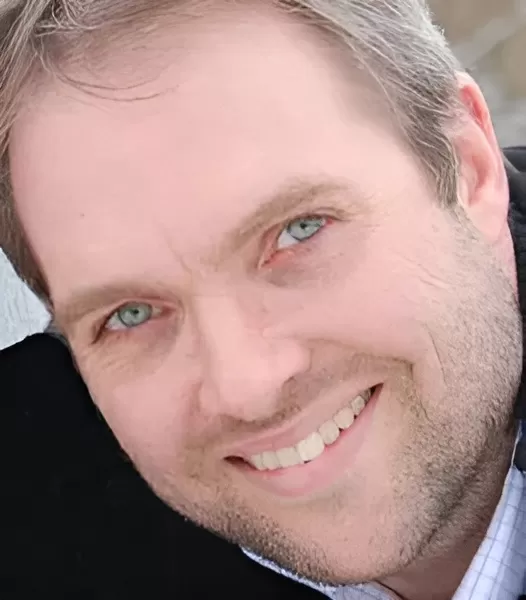
“Having worked for more than 25 years in senior management, I saw the same thing repeatedly — people struggling with mental health and relationship challenges, and so often struggling to access the right support when it was needed. It was out of this recognition of human need that Hope was born.”
Ian Stockbridge founded Hope Therapy after 25+ years leading large commercial teams – watching colleagues carry stress, anxiety, and personal difficulty with nowhere to turn. He retrained rigorously, now holding Senior Accredited status with both the BACP and NCPS, alongside SCoPEd Band C — the highest independent competence verification in the UK counselling profession.
He remains a practising therapist, clinical supervisor, published author of PMDD Uncovered, and co-presenter of The Talk Room Podcast. Hope Therapy was built on the things he saw were most broken – and designed, from the ground up, to do better.
MBACP (Senior Accredited)
SNCPS (Acc)
SCoPEd Band C
BSc (Hons) CBT
PGCert Supervision L7
Quality Award 2024 — 95%+


You do not have to keep carrying this on your own
A free, no-obligation 15-minute conversation. No pressure, no script — just a chance to be heard, ask questions, and see whether we feel like the right fit.
Get in Touch
Start your enquiry
Not sure where to start? Send us a message and a member of our team will get back to you. All enquiries are treated in the strictest confidence.
★ ★ ★ ★ ★
“From the very first phone call, I felt heard. They didn’t rush me — they helped me work out what I needed.”
Hope Therapy enquiry feedback
NCPS Organisational Member
Est 2014
90+ Qualified Therapists

National Counselling & Psychotherapy Society
British Association for Counselling and Psychotherapy

British Association for Behavioural & Cognitive Psychotherapies
Individual registrations vary per therapist. Last reviewed: May 2026.