BLOG
Weird Physical Symptoms of Anxiety: What Your Body Is Telling You
- By Ian Stockbridge
- Founder & Clinical Director, Hope Therapy & Counselling Services
- 26 August 2026
- 8–13 minutes
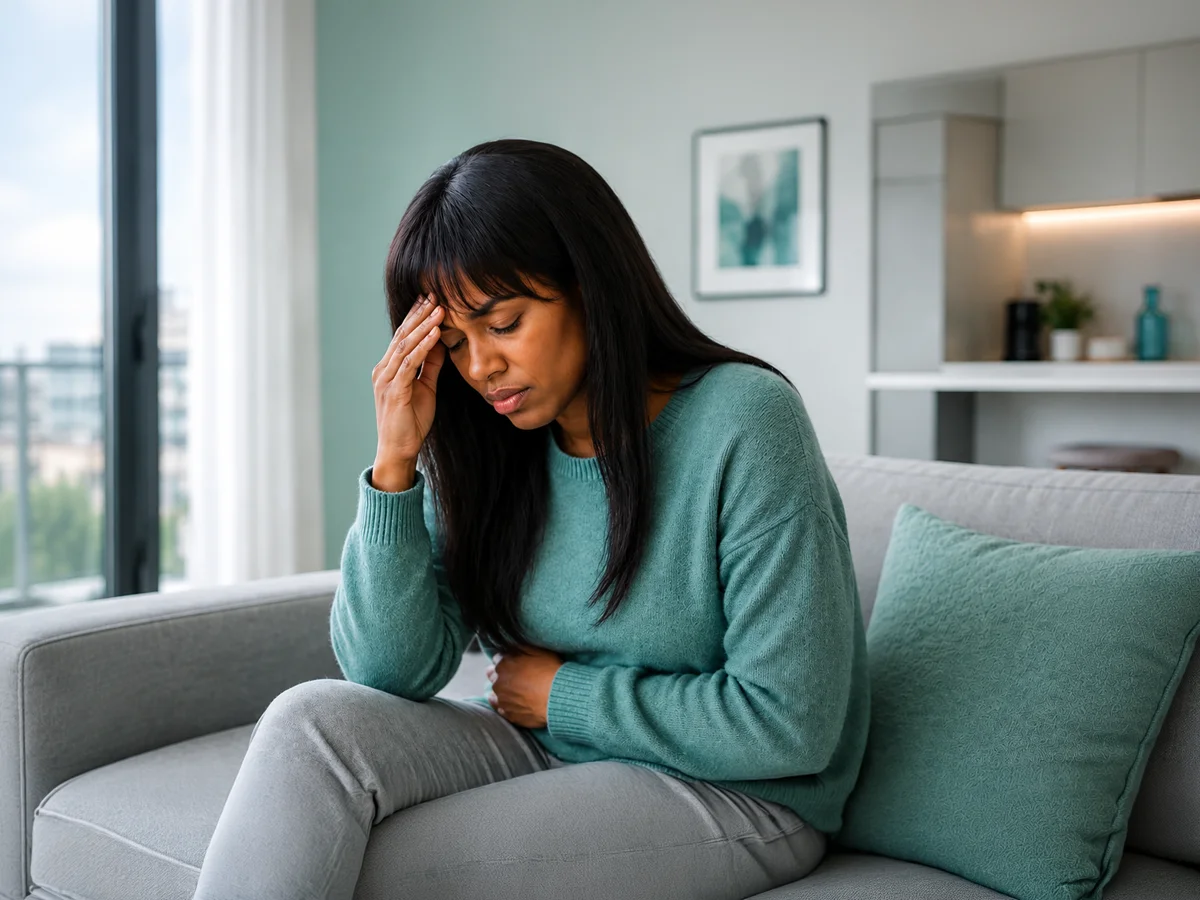
Anxiety does not stay in the mind. For many people, the most alarming and confusing aspect of anxiety is what it does to the body — sensations that feel entirely physical, often frightening, and sometimes so unusual that the person spends considerable time trying to find a medical explanation before discovering that anxiety is the cause. A heart that hammers unexpectedly. Tingling in the hands and face. A sensation of not being able to get a full breath. Dizziness that arrives without warning. These are not imagined — they are real physical responses to a very real physiological process.
What are the weird physical symptoms of anxiety?
Anxiety activates the body’s threat response, producing a wide range of physical sensations. The most common include chest tightness or pounding heart, shortness of breath, dizziness or light-headedness, nausea, trembling or shaking, sweating, tingling or numbness in the hands or face, muscle tension or aching, and fatigue. These sensations are caused by real physiological changes — they are not imagined. In long-lasting or intense anxiety, they can become chronic and deeply disruptive to daily life.
This article is intended for general information and educational purposes only and should not be considered medical, psychiatric, psychological, or therapeutic advice. Every person’s circumstances are unique, and reading this article does not create a therapeutic relationship with Hope Therapy & Counselling Services. If you are concerned about your mental health or emotional wellbeing, we encourage you to seek support from a suitably qualified healthcare or mental health professional. Hope Therapy & Counselling Services offers a free 15-minute consultation – book yours now.
Why Anxiety Causes Physical Symptoms
The physical symptoms of anxiety are not mysterious once the underlying mechanism is understood. When the brain perceives a threat — whether real or anticipated — it activates the autonomic nervous system, which triggers the release of adrenaline and cortisol. These hormones prepare the body for action: they increase heart rate, redirect blood flow from the digestive system to the muscles, accelerate breathing, dilate the pupils, and heighten sensory alertness.
This is the fight-or-flight response, and it is extraordinarily effective at preparing a person to respond to immediate physical danger. The difficulty arises when anxiety is chronic or when it activates in response to perceived threats rather than actual ones. In these cases, the same physiological response fires — producing the same physical sensations — without any physical danger to respond to. The body is ready to act; there is nothing to act on.
The Role of Hyperventilation
Many of the stranger physical symptoms of anxiety are caused or worsened by hyperventilation — breathing faster and more shallowly than the body requires. Anxiety reliably produces changes in breathing pattern, and even subtle over-breathing reduces the level of carbon dioxide in the blood. This produces a range of physical sensations including tingling in the hands and face, dizziness, light-headedness, and a paradoxical sense of not being able to get enough air despite breathing more than usual. Understanding this mechanism is often enormously reassuring for people experiencing these symptoms.
The Most Common Weird Physical Symptoms of Anxiety
The physical symptoms that anxiety produces span virtually every system in the body. The following are among the most commonly reported, along with a brief explanation of the physiological mechanism behind each.
Heart and Chest Symptoms
Palpitations — a racing, pounding, or irregular heartbeat — are among the most alarming anxiety symptoms because they feel like something is seriously wrong with the heart. They are caused by the increased heart rate and cardiac output that adrenaline produces, combined with an increased awareness of the heart’s activity that anxiety generates. Heart-related anxiety symptoms should always be evaluated by a GP if they are new or severe, to rule out cardiac causes. Once cardiac causes have been excluded, understanding that these sensations are produced by anxiety typically makes them significantly less frightening.
Chest tightness is another common symptom — a sensation of pressure or constriction across the chest that can be confused with cardiac pain. It is caused by muscle tension, particularly in the chest wall and intercostal muscles, combined with altered breathing patterns. Unlike cardiac pain, anxiety-related chest tightness typically does not radiate to the arm or jaw, does not worsen with physical exertion, and is often accompanied by other anxiety symptoms.
Neurological and Sensory Symptoms
Tingling, numbness, or a pins-and-needles sensation in the hands, feet, or face is one of the symptoms people most often describe as weird — it feels neurological and can trigger worry about serious medical conditions. It is, in most cases, caused by the combination of hyperventilation and changes in blood flow produced by the anxiety response. The vasoconstriction that occurs during the threat response reduces peripheral circulation, while the altered carbon dioxide levels from hyperventilation affect nerve function, producing these characteristic tingling sensations.
Dizziness and light-headedness are also extremely common. They are produced by the combination of hyperventilation, postural changes in blood pressure, and muscle tension in the neck and shoulders. The dizziness of anxiety is typically not a spinning sensation but a feeling of unsteadiness, unreality, or floating — sometimes described as depersonalisation or derealisation, in which familiar surroundings feel strange or the person feels detached from their own body.
Physical symptoms assessed and attributed to anxiety?
Hope Therapy offers individual counselling online across England — free 15-minute consultation, no GP referral needed.
Digestive and Abdominal Symptoms
The digestive system is exquisitely sensitive to the anxiety response because of the direct connection between the gut and the brain — the enteric nervous system, sometimes called the second brain. The anxiety response shunts blood flow away from the digestive system towards the large muscle groups, disrupts gut motility, and alters the balance of the gut microbiome with sustained activation.
Nausea, Stomach Pain and Changes in Appetite
Nausea is one of the most common physical symptoms of anxiety and can range from a mild unsettled feeling to significant vomiting in extreme anxiety states. It is produced by the combination of reduced digestive activity, altered gut motility, and the direct effect of adrenaline on the stomach. Many people with chronic anxiety experience persistent low-level nausea that significantly affects appetite and eating patterns.
Abdominal pain and cramping, diarrhoea, constipation, and the symptoms associated with irritable bowel syndrome are all consistently associated with chronic anxiety. The relationship is bidirectional: anxiety produces gastrointestinal symptoms, and gastrointestinal symptoms increase anxiety. For many people, addressing the anxiety itself produces significant improvement in their digestive symptoms.
Changes in Appetite
Both loss of appetite and increased appetite or emotional eating can accompany anxiety. Loss of appetite is common in acute anxiety states, where the threat response suppresses appetite in preparation for action. Increased appetite or specific cravings — particularly for high-carbohydrate foods — can occur in chronic anxiety, as the body attempts to restore the energy depleted by sustained stress activation. Neither pattern represents a character failing; both are physiological responses to the anxiety state.
Musculoskeletal and Fatigue Symptoms
The muscle tension produced by sustained anxiety is one of the most physically damaging aspects of chronic anxiety and one of the most overlooked. The threat response prepares the muscles for action by increasing their baseline tension. In acute anxiety, this tension is discharged through action. In chronic anxiety, it accumulates.
Muscle Tension, Headaches and Pain
Chronic muscle tension from sustained anxiety commonly produces headaches — particularly tension-type headaches involving the muscles of the head, neck, and shoulders. It also produces jaw clenching and teeth grinding (bruxism), which can cause dental and jaw problems. Back pain, shoulder pain, and a general sense of physical aching are common in people with chronic anxiety, and are often not recognised as anxiety symptoms because they feel entirely physical.
The fatigue that accompanies chronic anxiety is often profound and confusing. The body has been running on high alert, with elevated cortisol and sustained muscle tension, for an extended period. The result is a depletion of physical and cognitive resources that produces a tiredness that sleep often does not resolve. This fatigue is not laziness or weakness — it is the predictable physical consequence of a system that has been under sustained activation pressure.
Sleep Disturbance
Difficulty falling asleep, staying asleep, and experiencing restorative sleep are near-universal features of significant anxiety. The hyperarousal that anxiety produces is directly incompatible with the relaxation that sleep requires. Cortisol levels in people with chronic anxiety are often highest in the early morning hours, producing early waking. The resulting sleep deprivation further compromises emotional regulation and stress tolerance, creating a cycle in which poor sleep worsens the anxiety that caused it.
When Physical Symptoms Need Medical Assessment
It is important to be clear that while the physical symptoms described in this post are frequently caused by anxiety, they can also be caused by medical conditions. Chest pain, palpitations, unexplained neurological symptoms, and significant changes in digestive function should always be assessed by a GP before attributing them to anxiety. This is both medically responsible and, for the person experiencing the symptoms, enormously reassuring.
Many people with anxiety-related physical symptoms have had extensive medical investigations that came back normal. This can itself be a source of frustration — if nothing is wrong physically, why do the symptoms persist? The answer is that anxiety is a real condition with real physiological effects, and it requires real treatment. A clear medical assessment that rules out physical causes is the starting point for addressing the anxiety with appropriate support.
The GP and Counselling Pathway
The most effective approach to the physical symptoms of anxiety typically involves both medical and psychological support. The GP role is to rule out underlying medical causes, assess whether medication may be appropriate, and monitor physical health. The counselling role is to address the anxiety itself — the thought patterns, the avoidance behaviours, and the nervous system dysregulation that maintain the anxiety and produce the physical symptoms.
CBT has the most robust evidence base for anxiety and its physical symptoms. It works both with the cognitive patterns that maintain the anxiety and with the behavioural patterns that reinforce it. For people whose anxiety has a significant physical presentation, the psychoeducation component — understanding exactly why the body produces the sensations it does — is often itself a significant source of relief.
Ready to Take the First Step?
If you are experiencing the physical symptoms of anxiety and want support in understanding and addressing them, the counsellors at Hope Therapy can help. We offer individual counselling online across England, with no waiting list and no GP referral required. Your first 15-minute consultation is free.
- Free 15-minute consultation
- No commitment
- Online across England
- No GP Referral needed
- Qualified & registered therapists
- LGBTQIA+ affirming support
- NCPS organisational member
- Online nationwide
- Face-to-face across England
- Established 2014
This article is intended for general information and educational purposes only and should not be considered medical, psychiatric, psychological, or therapeutic advice. Every person’s circumstances are unique, and reading this article does not create a therapeutic relationship with Hope Therapy & Counselling Services. If you are concerned about your mental health or emotional wellbeing, we encourage you to seek support from a suitably qualified healthcare or mental health professional. Hope Therapy & Counselling Services offers a free 15-minute consultation – book yours now.
Frequently Asked Questions About Physical Symptoms of Anxiety
Can anxiety really cause all these physical symptoms?
Yes — and more besides those listed here. Anxiety activates a wide-ranging physiological response that affects virtually every system in the body. The symptoms it produces are real physical sensations caused by real physiological changes: elevated heart rate, altered breathing, changed blood flow, muscle tension, and disrupted gut function. They are not imagined. People who have not understood that their physical symptoms were caused by anxiety often describe the realisation as both validating — the symptoms are real — and enormously reassuring, because understanding the cause makes the symptoms significantly less frightening.
How long do the physical symptoms of anxiety last?
Acute anxiety symptoms typically resolve within minutes to an hour as the immediate threat response subsides. Chronic anxiety symptoms — the persistent muscle tension, fatigue, digestive disruption, and sleep difficulties associated with sustained anxiety — can last for as long as the underlying anxiety is active and unaddressed. Effective treatment of the anxiety reliably reduces these chronic physical symptoms over time, often more quickly than people expect once the anxiety itself begins to respond to therapeutic work.
Should I see a doctor or a counsellor for anxiety physical symptoms?
Both, in sequence. See your GP first to rule out any underlying medical causes — this is important both medically and psychologically. Once medical causes have been excluded or addressed, counselling is the most effective route to addressing the anxiety that is producing the symptoms. The two approaches work well together rather than being alternatives.
Find the Right Support for You
Our general counselling services page can help you determine what sort of therapy may be suitable for you.
Get Help With Other Conditions
Our general conditions page is a great place to start.
THE AUTHOR

Ian Stockbridge
- MBACP (Senior Accredited)
Founder & Clinical Director — Hope Therapy & Counselling Services
MBACP (Senior Accredited) · SNCPS (Acc) · BSc (Hons) CBT · PGCert Clinical Supervision
Founder of Hope Therapy, published author, clinical supervisor, and co-presenter of The Talk Room Podcast. Practising therapist with 25+ years of senior leadership experience.
Before Ian Stockbridge was a therapist, he was a leader. For more than 25 years he worked in senior management and directorial roles across commercial organisations — at times managing teams of more than 200 people. He was effective at it. But the longer he did it, the harder something became to ignore. The people around him were struggling. Capable, committed, often high-achieving people carrying invisible weight that had nowhere to go. Stress accumulated quietly across months and years. Anxiety managed behind professionalism. Relationships and mental health dealt with in the margins of a working life that left little room for either.
- SCoPEd Band C
- SNCPS (Acc)
- BSc (Hons) CBT
- PGCert Clinical Supervision
- Diploma — Person-Centred Counselling
- Diploma — Mindfulness-Based Cognitive Therapy
- Certificate — Acceptance & Commitment Therapy
- Certificate — Trauma
- Certificate — CBT for Insomnia
- 25+ Years Leadership
- Clinical Supervisor
- Published Author
- Podcast Co-Host
- LGBTQIA+ Affirming
Free 15-minute consultation
A no-pressure conversation to find the right therapist for you. No commitment needed.
ABOUT THE AUTHOR
Ian Stockbridge
MBACP (Senior Accredited)
Founder of Hope Therapy, published author, clinical supervisor, and co-presenter of The Talk Room Podcast. Practising therapist with 25+ years of senior leadership experience.
ABOUT HOPE THERAPY
Qualified registered therapists
Online nationwide across UK
Face-to-face across England
LGBTQIA+ & neurodivergent affirming
Mon–Sun, 9am–9pm
NCPS organisational member
Est 2014
Published: 26 August 2026 | Written by Ian Stockbridge | Reviewed for clinical accuracy before publishing | Review due: August 2028
More Articles About the Physical Symptoms of Anxiety
Why You Wake Up Shaking: Causes Including Anxiety