BLOG
Texting Anxiety: What It Is, Why It Happens and How to Get Help
- By Ian Stockbridge
- Founder & Clinical Director, Hope Therapy & Counselling Services
- 24 August 2026
- 8–12 minutes
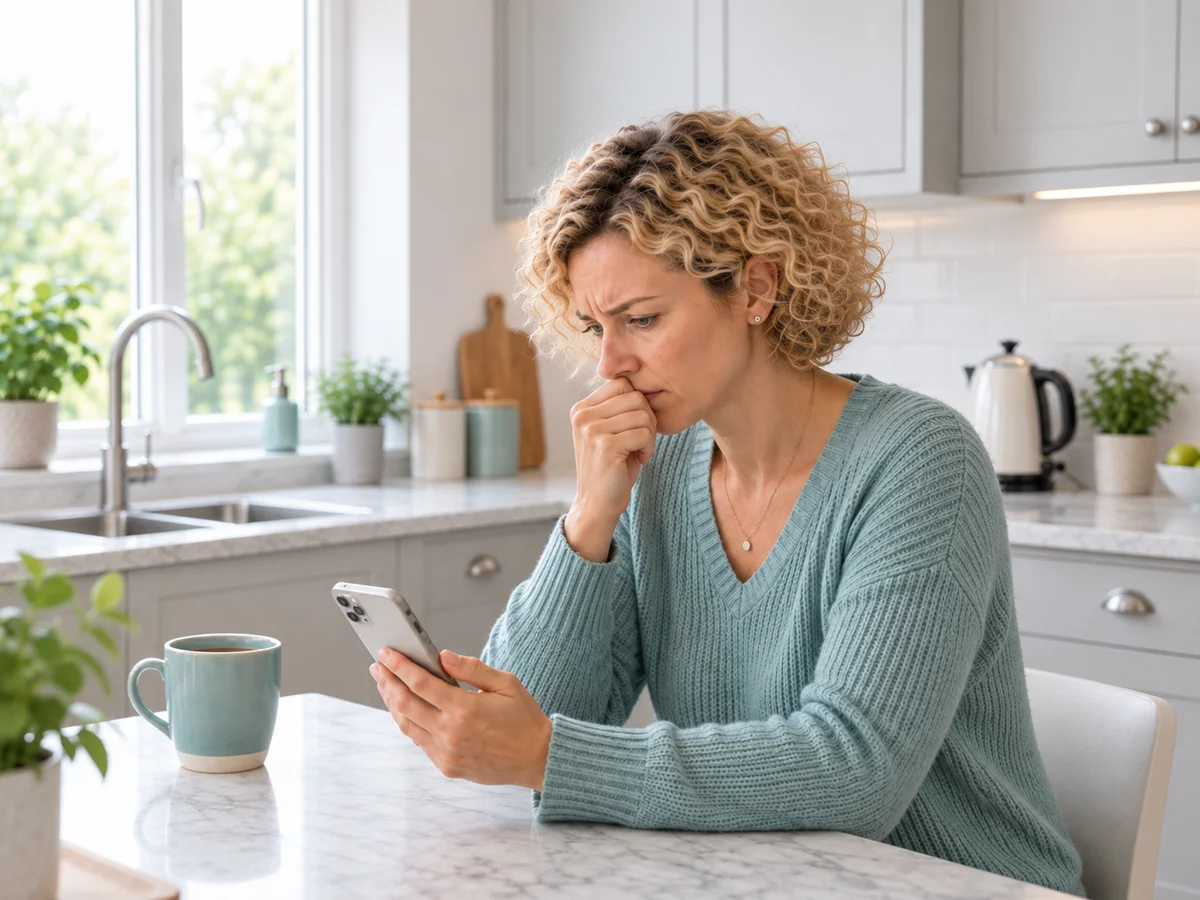
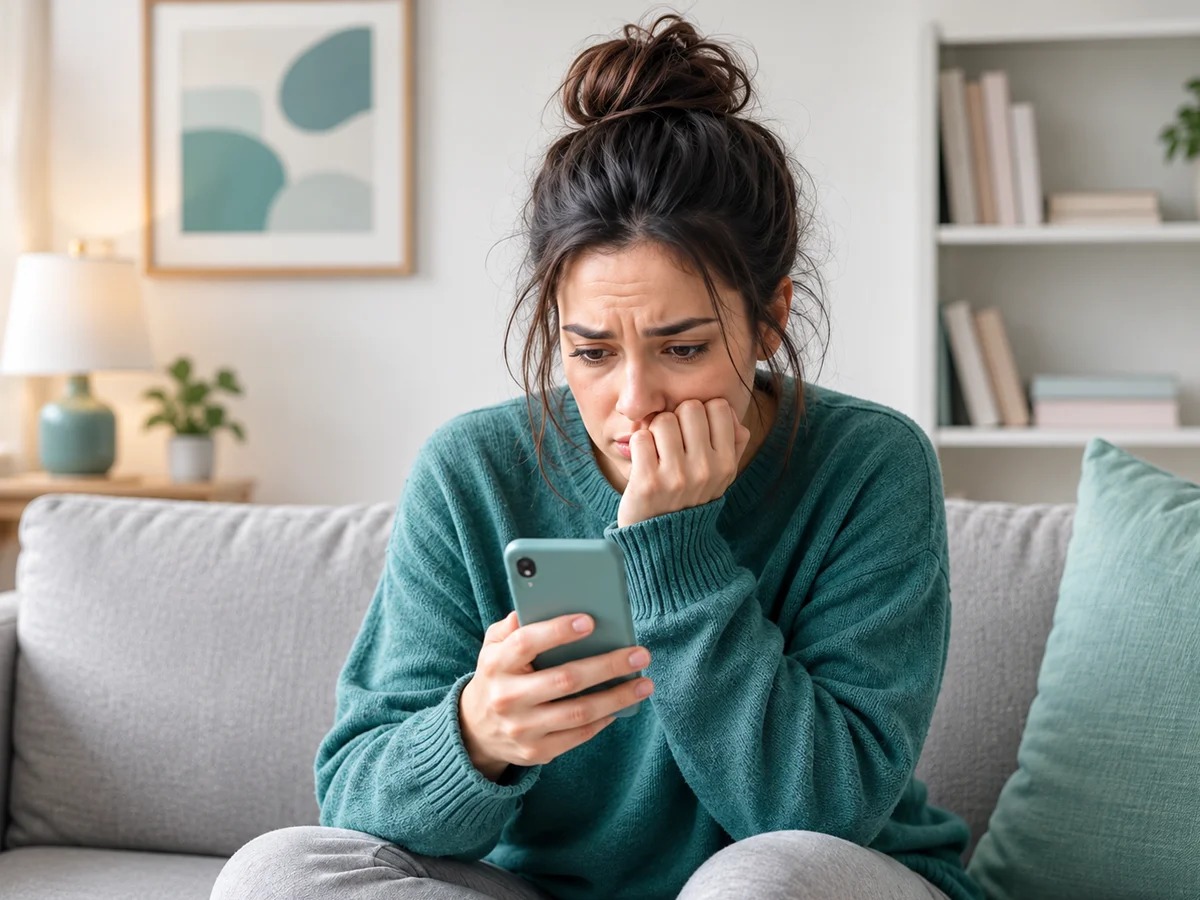
You type a message, read it back four times, delete the last word, add an emoji, remove the emoji, and finally press send — then spend the next hour wondering whether it came across wrong. Or perhaps your phone buzzes and your stomach drops before you have even looked at the screen. Maybe you have started avoiding certain conversations entirely, choosing silence over the anxiety of sending something and waiting for a reply that may never say what you hoped it would. If any of this feels familiar, you are not imagining it. What you are describing has a name — texting anxiety — and it is far more common than most people realise.
This article is intended for general information and educational purposes only and should not be considered medical, psychiatric, psychological, or therapeutic advice. Every person’s circumstances are unique, and reading this article does not create a therapeutic relationship with Hope Therapy & Counselling Services. If you are concerned about your mental health or emotional wellbeing, we encourage you to seek support from a suitably qualified healthcare or mental health professional. Hope Therapy & Counselling Services offers a free 15-minute consultation – book yours now.
What Is Texting Anxiety?
Texting anxiety is the persistent stress, dread or worry that surrounds digital communication — specifically the sending, receiving or anticipating of text messages. It is not simply disliking your phone or preferring face-to-face conversation. For people with texting anxiety, the act of messaging becomes a source of genuine psychological distress: the kind that interrupts concentration, disturbs sleep, and quietly shapes how they move through their relationships and social life.
The experience is rooted in something that makes complete sense once you understand it. Written messages strip away almost every cue we normally rely on to understand each other — tone, facial expression, timing, body language. What is left is bare words, and bare words are remarkably easy to misread. A “fine” where you expected an “I’m fine!” feels loaded. Silence after you sent something vulnerable feels devastating. The brain, particularly an anxious brain, fills the gaps with its worst guesses.
Is Texting Anxiety the Same as Social Anxiety?
Texting anxiety and social anxiety are closely related but not the same thing. Social anxiety is a broader pattern of fear around social situations — the worry of being judged, embarrassed or rejected in interactions with other people. Texting anxiety can be one expression of that broader social anxiety, where the social interaction has simply moved onto a screen. Many people experience both, and the digital context can actually amplify social anxiety rather than relieve it: you cannot tell whether silence means someone is busy, indifferent or irritated, and that ambiguity gives an anxious mind far more to work with.
It is also possible to experience texting anxiety without having diagnosable social anxiety. For some people the anxiety is quite specifically tied to the written format — the permanence of words on a screen, the fear of being misunderstood without the softening effect of a voice or a face, the pressure of being always reachable and always expected to respond.
What Are the Symptoms of Texting Anxiety?
You Read Heavily Into Small Signals
Recognising texting anxiety is the first step towards doing something about it. The symptoms show up in how you feel before, during and after digital communication — and in the patterns of behaviour that build up around those feelings over time.
Before sending a message, you might spend disproportionate time composing something simple, checking and re-checking the words, adding and removing softeners, and feeling genuinely unable to send until it feels exactly right. The relief when you finally press send is real — but short-lived.
After sending, the anxiety often shifts into waiting. Checking to see whether the message has been read. Monitoring whether the reply comes quickly or slowly and reading meaning into the gap. Feeling your mood lifted or deflated by a single word or a delayed response.
Behavioural Signs Worth Noticing
Some of the most telling signs of texting anxiety show up in changed behaviour rather than feelings. You might find yourself avoiding certain conversations by text and always choosing to call instead — or conversely, avoiding calling because written messages feel more controllable. You might leave messages unread for hours because opening them triggers a response obligation you do not feel ready for. You may have started declining social arrangements made over text, or letting friendships quietly fade because maintaining them through messaging feels too effortful.
None of these behaviours are irrational given the experience of texting anxiety. They are attempts to manage the discomfort. The difficulty is that avoidance tends to strengthen anxiety over time rather than reduce it: the less you practise the thing that makes you anxious, the more frightening it becomes.
Messaging causing you more stress than it should?
Our free 15-minute consultation is a no-pressure conversation to find out whether counselling could help.
Why Does Texting Make Some People So Anxious?
The psychological reasons behind texting anxiety are worth understanding because they point towards what actually helps. Several things are typically at work.
The absence of non-verbal cues matters enormously. Human beings evolved to communicate in person, where the vast majority of emotional information is conveyed through tone, gesture, facial expression and timing rather than words alone. Text removes all of that. The words carry the entire weight of the communication, and words are imprecise. When you are already prone to worry, that imprecision becomes a source of threat.
Attachment patterns play a significant role for many people. If you grew up in an environment where love or approval felt conditional, inconsistent or unpredictable, your nervous system learned to scan for signals of acceptance and rejection. Digital messaging replicates that environment almost perfectly: you send something and wait, uncertain how it will be received. For someone with an anxious attachment style, that waiting activates deep, old fears about being too much, not enough, or quietly unwanted.
The Role of Perfectionism and Fear of Judgement
Perfectionism and fear of judgement often underlie texting anxiety in a particular way. The written word feels permanent and quotable in a way that a spoken word does not. You cannot laugh something off in a text message the way you can in a conversation. There is a sense that what you write is a record of who you are, and that it could be held up as evidence of your inadequacy, your neediness, or your failure to communicate correctly. For people who already carry high levels of self-criticism, this feels like extraordinary pressure to get even small things exactly right.
How Texting Anxiety Affects Relationships
Texting anxiety does not stay contained to the act of messaging. It ripples outward into relationships in ways that can create real difficulty.
In friendships, texting anxiety often creates an invisible distance. The person with texting anxiety may appear unreliable — slow to respond, vague in their communication, or prone to misreading tone — when in fact they are simply managing significant discomfort. The friendship becomes effortful in ways that are hard to explain without sounding disproportionate. People often describe feeling guilty about something they cannot fully articulate.
In romantic relationships, the dynamic can become more intense. The checking, the interpreting of silence, the relief and deflation that ride on individual messages — these patterns can put considerable strain on a relationship, particularly when a partner does not experience messaging the same way and struggles to understand why a short reply feels like a rejection.
The Isolation Texting Anxiety Can Create
One of the quieter consequences of texting anxiety is isolation. Because managing the anxiety around messaging takes so much energy, people sometimes find themselves gradually withdrawing from social contact. It is easier not to reply than to face the discomfort of doing so. It is easier to let a friendship become one-sided than to maintain the back-and-forth. Over time, the social network thins — not through any dramatic falling out, but through a slow accumulation of unanswered messages and avoided conversations.
This isolation tends to worsen anxiety rather than relieve it. Connection is a genuine psychological need. When it diminishes, mood drops, self-critical thoughts increase, and the anxiety around social contact can intensify because it has become associated with more difficult feelings.
What Helps With Texting Anxiety?
There are things you can do that genuinely help, and it is worth being honest about what they are and what they are not.
Self-help strategies like setting boundaries around when you check messages, reminding yourself that silence does not mean rejection, and practising sending imperfect messages can all reduce the day-to-day distress. They work by gently interrupting avoidance patterns and building a small evidence base that things usually turn out to be fine. These approaches are useful and worth trying.
What they do not tend to do is address the underlying anxiety itself. If texting anxiety is rooted in attachment patterns, perfectionism, or deeper fears about judgement and rejection, reducing those roots requires something more than behavioural adjustments.
When Counselling Makes a Difference
Counselling helps with texting anxiety in a specific and meaningful way. Rather than teaching you to manage the discomfort of messaging, it addresses the patterns of thinking and feeling that generate the discomfort in the first place. Person-centred counselling provides space to understand where those patterns came from and what they are protecting you from. Cognitive Behavioural Therapy helps identify and challenge the specific thought patterns — “they are annoyed with me,” “I said the wrong thing,” “I should not have sent that” — that fuel the anxiety loop.
Our post Texting Anxiety and Social Anxiety: How Digital Communication Amplifies Social Fear explores the connection between texting anxiety and social anxiety in more depth. Our post How to Overcome Texting Anxiety: Practical Steps and When to Seek Support covers practical recovery strategies and when professional support makes the most difference.
Ready to Take the First Step?
If texting anxiety is affecting your relationships, your social life or simply taking up more of your mental energy than it should, speaking with a counsellor can help. At Hope Therapy & Counselling Services, our sessions are fully online across England — accessible from home, at a time that suits you. Book a free 15-minute consultation and find out what support looks like for you.
- Free 15-minute consultation
- No commitment
- Online across England
- No GP Referral needed
- Qualified & registered therapists
- LGBTQIA+ affirming support
- NCPS organisational member
- Online nationwide
- Face-to-face across England
- Established 2014
This article is intended for general information and educational purposes only and should not be considered medical, psychiatric, psychological, or therapeutic advice. Every person’s circumstances are unique, and reading this article does not create a therapeutic relationship with Hope Therapy & Counselling Services. If you are concerned about your mental health or emotional wellbeing, we encourage you to seek support from a suitably qualified healthcare or mental health professional. Hope Therapy & Counselling Services offers a free 15-minute consultation – book yours now.
Frequently Asked Questions About Texting Anxiety
Is texting anxiety a recognised condition?
Texting anxiety is not a formal clinical diagnosis, but it is a well-recognised pattern of anxiety that mental health professionals regularly see in practice. It typically sits within the broader framework of social anxiety or anxiety disorder. Seeking support for it is entirely valid — you do not need a formal diagnosis to benefit from counselling.
Can texting anxiety go away on its own?
For some people, texting anxiety reduces naturally as their confidence grows or their circumstances change. For others — particularly where the anxiety is rooted in deeper attachment patterns or social anxiety — it tends to persist or worsen over time without active support. If it is affecting your relationships or quality of life, it is worth addressing rather than waiting to see if it resolves.
Does everyone who dislikes texting have texting anxiety?
No. Many people simply prefer phone calls or face-to-face conversation without experiencing significant distress around messaging. Texting anxiety involves a degree of worry, dread or avoidance that goes beyond preference and begins to affect how you function in your relationships or daily life.
Find the Right Support for You
Our general counselling services page can help you determine what sort of therapy may be suitable for you.
Get Help With Other Conditions
Our general conditions page is a great place to start.
THE AUTHOR

Ian Stockbridge
- MBACP (Senior Accredited)
Founder & Clinical Director — Hope Therapy & Counselling Services
MBACP (Senior Accredited) · SNCPS (Acc) · BSc (Hons) CBT · PGCert Clinical Supervision
Founder of Hope Therapy, published author, clinical supervisor, and co-presenter of The Talk Room Podcast. Practising therapist with 25+ years of senior leadership experience.
Before Ian Stockbridge was a therapist, he was a leader. For more than 25 years he worked in senior management and directorial roles across commercial organisations — at times managing teams of more than 200 people. He was effective at it. But the longer he did it, the harder something became to ignore. The people around him were struggling. Capable, committed, often high-achieving people carrying invisible weight that had nowhere to go. Stress accumulated quietly across months and years. Anxiety managed behind professionalism. Relationships and mental health dealt with in the margins of a working life that left little room for either.
- SCoPEd Band C
- SNCPS (Acc)
- BSc (Hons) CBT
- PGCert Clinical Supervision
- Diploma — Person-Centred Counselling
- Diploma — Mindfulness-Based Cognitive Therapy
- Certificate — Acceptance & Commitment Therapy
- Certificate — Trauma
- Certificate — CBT for Insomnia
- 25+ Years Leadership
- Clinical Supervisor
- Published Author
- Podcast Co-Host
- LGBTQIA+ Affirming
Free 15-minute consultation
A no-pressure conversation to find the right therapist for you. No commitment needed.
ABOUT THE AUTHOR
Ian Stockbridge
MBACP (Senior Accredited)
Founder of Hope Therapy, published author, clinical supervisor, and co-presenter of The Talk Room Podcast. Practising therapist with 25+ years of senior leadership experience.
ABOUT HOPE THERAPY
Qualified registered therapists
Online nationwide across UK
Face-to-face across England
LGBTQIA+ & neurodivergent affirming
Mon–Sun, 9am–9pm
NCPS organisational member
Est 2014
Published: 24 August 2026 | Written by Ian Stockbridge | Reviewed for clinical accuracy before publishing | Review due: August 2028
More Articles About Texting Anxiety

Texting Anxiety and Social Anxiety: How Digital Communication Amplifies Social Fear

How to Overcome Texting Anxiety: Practical Steps and When to Seek Support