BLOG
Texting Anxiety and Social Anxiety: How Digital Communication Amplifies Social Fear
- By Ian Stockbridge
- Founder & Clinical Director, Hope Therapy & Counselling Services
- 24 August 2026
- 7–11 minutes

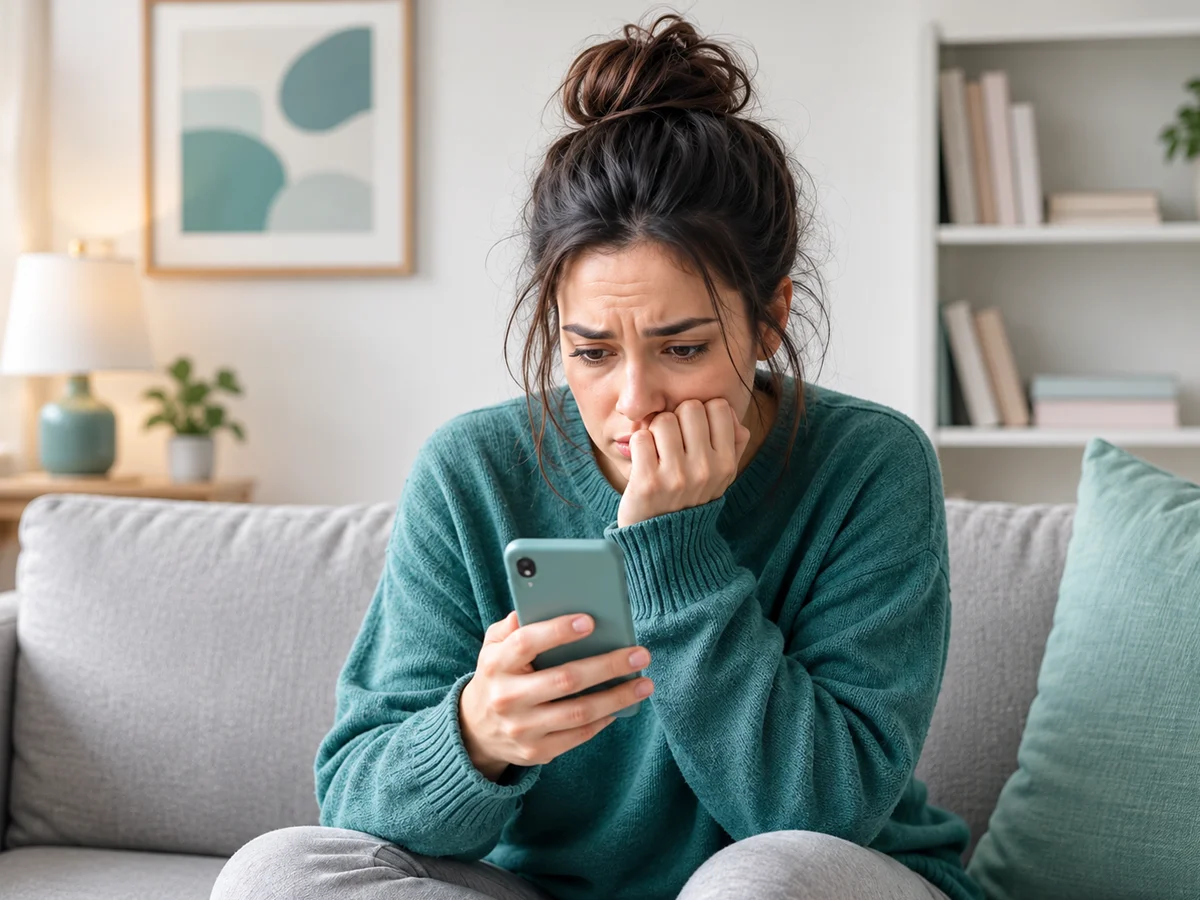
For many people with social anxiety, there is a cruel irony in the age of digital communication. The rise of messaging was supposed to make things easier — you can think before you reply, you do not have to perform in real time, and you can communicate from the safety of your own space. For some people with social anxiety, that is exactly how it works. But for many others, text-based communication does not reduce the anxiety of social contact. It relocates and intensifies it. The silence between messages becomes its own source of dread. The written word carries its own weight of judgment. And the phone, rather than offering refuge, becomes a source of near-constant low-level alarm.
This article is intended for general information and educational purposes only and should not be considered medical, psychiatric, psychological, or therapeutic advice. Every person’s circumstances are unique, and reading this article does not create a therapeutic relationship with Hope Therapy & Counselling Services. If you are concerned about your mental health or emotional wellbeing, we encourage you to seek support from a suitably qualified healthcare or mental health professional. Hope Therapy & Counselling Services offers a free 15-minute consultation – book yours now.
Why Social Anxiety Does Not Stay Offline
Social anxiety is fundamentally a fear of negative evaluation — the persistent dread of being judged, embarrassed, rejected or found wanting in interactions with other people. It makes sense that this fear would follow us onto our screens, because the underlying threat is identical: other people are observing us, forming opinions of us, and we cannot fully control what those opinions will be.
What digital communication does is remove the social anxiety sufferer’s usual toolkit. In a face-to-face conversation, you can read the other person’s expression, adjust your approach in real time, and get immediate feedback that puts your worst fears to rest. Text removes all of that and replaces it with ambiguity: silence, short replies, tone that could mean anything. For an already anxious mind, that ambiguity does not feel neutral. It feels threatening.
The Particular Cruelty of Waiting for a Reply
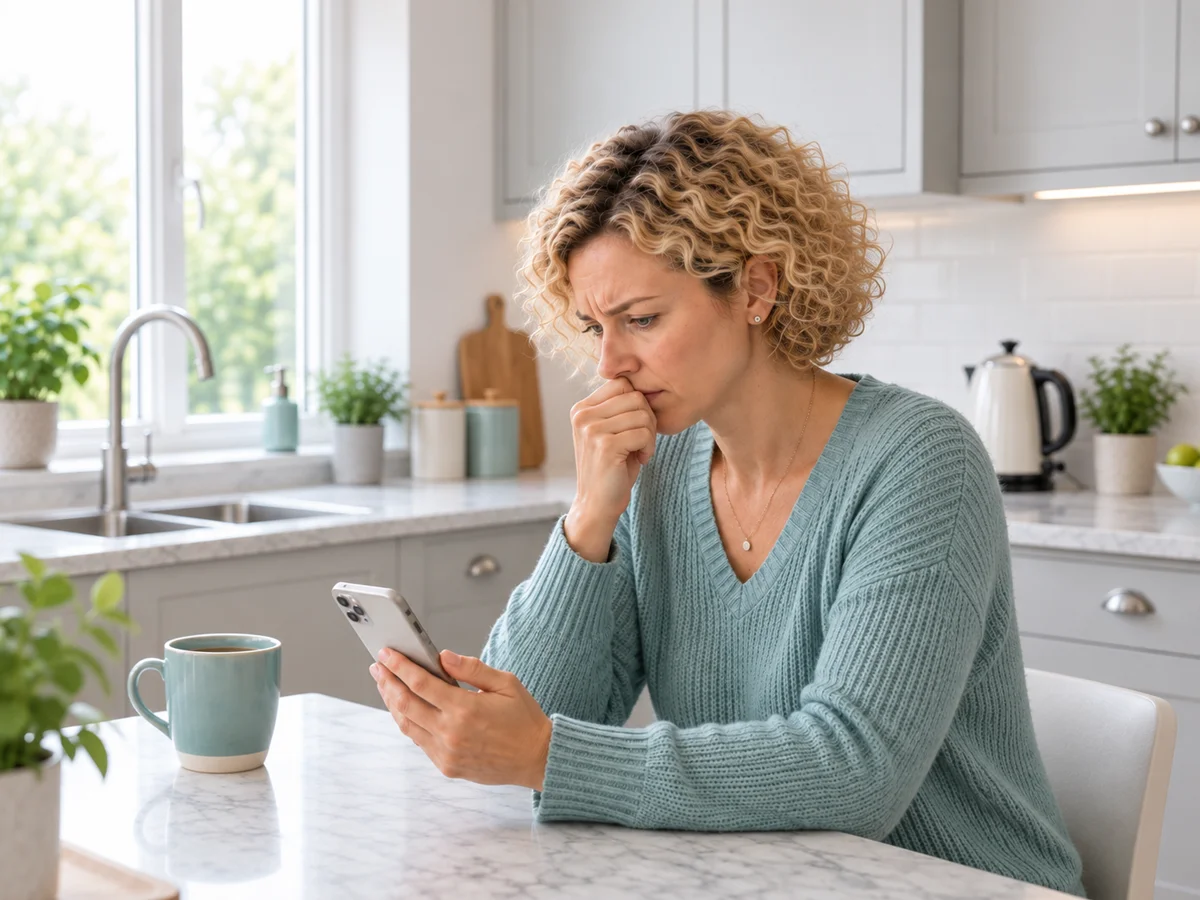
The wait for a reply is, for many people with social anxiety, the most difficult part of digital communication. You have said something — perhaps something vulnerable, something important, or even just something ordinary — and now you are waiting to find out how it has been received. The mind does not tend to wait patiently. It fills the silence with increasingly alarming interpretations: they are annoyed, they think you are strange, they are deciding how to tell you they are no longer interested.
Research into anxiety consistently shows that uncertainty is more distressing than negative certainty for many anxious people. A confirmed bad outcome is easier to cope with than an unresolved one. This is part of why waiting for a reply can feel worse than an argument: you know where you stand with an argument.
How Texting Amplifies Specific Social Anxiety Patterns
Several of the core patterns of social anxiety become more pronounced in a texting context rather than less.
Post-event processing — the habit of replaying interactions afterwards and identifying everything that could have been received badly — is particularly active around messages. Unlike a spoken conversation that fades in memory, a text message can be re-read. You can go back and find new evidence for your worst fears, or spend an hour wondering what a particular phrasing conveyed. The message becomes an object to analyse rather than a conversation to let go of.
Hyper-vigilance to social signals intensifies. Every aspect of a reply becomes data: the length, the speed, the presence or absence of warmth, the choice of punctuation. A full stop rather than an exclamation mark can read as coldness to someone scanning for signs of rejection. This level of monitoring is exhausting and tends to generate false alarms far more often than genuine signals.
The Reassurance Trap
Many people with social anxiety and texting anxiety develop reassurance-seeking habits around messaging. They screenshot messages and send them to a trusted friend to interpret. They ask their partner to read something before they send it. They fish for confirmation that their reply was received well. These behaviours are understandable attempts to reduce uncertainty — but they tend to maintain the anxiety rather than resolve it, because they prevent the person from developing their own confidence in their perceptions and judgements.
The reassurance briefly reduces anxiety, but it does so by outsourcing the evaluation that the anxious person needs to practise doing themselves. Over time, the person becomes less confident in their own reading of social situations, not more — and the need for reassurance grows rather than diminishes.
Recognise these patterns?
Counselling can help you understand where they come from and how to loosen their hold. Book a free 15-minute consultation — online across England.
When Texting Anxiety Is Part of a Bigger Picture
For some people, texting anxiety is a relatively contained difficulty — stressful, but not significantly affecting their broader functioning. For others, it is one visible expression of a much more pervasive social anxiety that colours many areas of life: work, friendships, romantic relationships, and their basic sense of safety in the world.
If texting anxiety is accompanied by significant avoidance of social situations, persistent fear of doing or saying the wrong thing, difficulty with performance situations like meetings or presentations, or a deeply held belief that other people are constantly judging you unfavourably, it is likely that the underlying difficulty is broader social anxiety rather than messaging specifically. In that case, addressing texting anxiety as an isolated problem will help but will not resolve the root.
The Overlap With Anxious Attachment
For many people, texting anxiety and social anxiety are further complicated by anxious attachment — the relational pattern that develops when early experiences of connection felt unpredictable, conditional or unreliable. People with anxious attachment carry a particular sensitivity to signs of withdrawal or rejection in their close relationships. Digital messaging, with its built-in silences and ambiguities, activates that sensitivity constantly.
The connection between texting anxiety, social anxiety and anxious attachment is explored in the first post in this series. What is important to note here is that these patterns often travel together — and that addressing them therapeutically, rather than managing their surface symptoms, tends to produce the most meaningful and lasting change.
What Counselling Addresses That Self-Help Cannot
Self-help approaches for social anxiety and texting anxiety — breathing techniques, cognitive reframing, gradual exposure — are genuinely useful and worth trying. They can reduce the intensity of day-to-day anxiety and build confidence through small, repeated experiences of things going better than feared.
What they tend not to address is the underlying model the person holds of themselves and other people: the deep, often unconscious belief that they are too much, not enough, too needy, too weird, or fundamentally unwanted. This model was usually formed early in life in response to real experiences, and it operates largely outside conscious awareness. It shows up as an automatic, immediate reading of ambiguous situations — this person’s silence means they are done with me — that feels like a fact rather than an interpretation.
Online Counselling and Social Anxiety
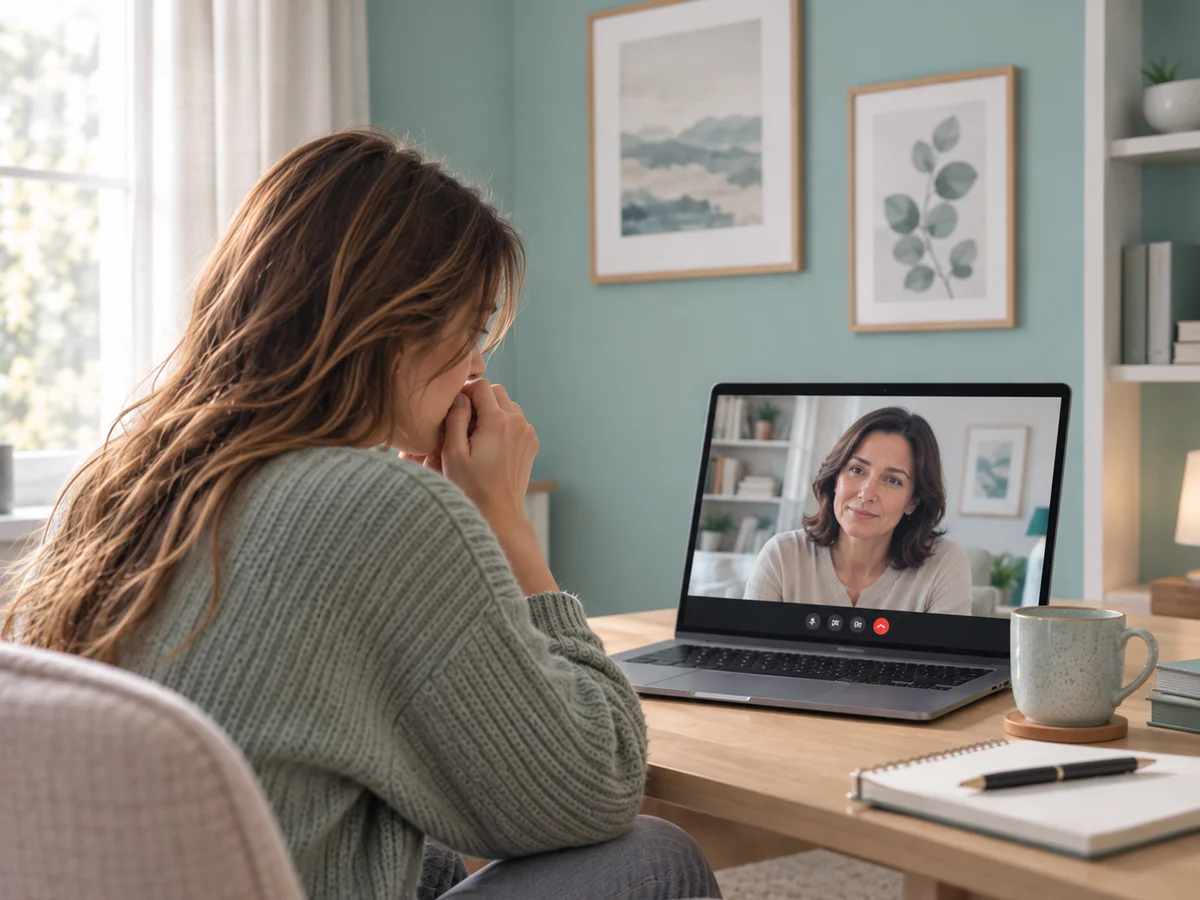
There is a particular appropriateness to online counselling for people whose anxiety is strongly tied to social contact. Beginning therapy from home, without the social performance pressure of a waiting room and a new face, removes several significant barriers. Many people with social anxiety find online sessions easier to start with — and easier to be honest in — than in-person appointments. At Hope Therapy, all sessions are delivered online across England, with no waiting list and no GP referral required.
When to Seek Professional Support
If you recognise yourself strongly in this post — if the connection between social anxiety and texting anxiety feels not just familiar but pervasive, affecting multiple relationships and areas of your life — it is worth considering whether professional support would help. Social anxiety is one of the most common mental health difficulties seen in counselling practice, and it responds well to the right therapeutic approach.
The clearest signal that self-help is not sufficient is persistence: if you have been aware of these patterns for a long time and have tried to change them without lasting success, that suggests the roots go deeper than behavioural adjustment can reach. A counsellor who understands both social anxiety and attachment will be able to help you identify where the patterns came from and what maintaining them is currently costing you.
What to Expect From a First Consultation
Many people with social anxiety feel apprehensive about the prospect of talking to a new person about their difficulties — which is, of course, a social interaction in itself. A first consultation at Hope Therapy is a short, no-pressure conversation with no obligation. You do not need to have a clear sense of what you want from counselling, or a formal diagnosis, or even certainty that therapy is right for you. You just need to be curious about whether it might help.
Ready to Take the First Step?
Social anxiety and texting anxiety are real, they are common, and they respond well to the right support. At Hope Therapy & Counselling Services, our counsellors work online across England with adults experiencing social anxiety in all its forms. There is no waiting list, no GP referral needed, and your first consultation is free.
- Free 15-minute consultation
- No commitment
- Online across England
- No GP Referral needed
- Qualified & registered therapists
- LGBTQIA+ affirming support
- NCPS organisational member
- Online nationwide
- Face-to-face across England
- Established 2014
This article is intended for general information and educational purposes only and should not be considered medical, psychiatric, psychological, or therapeutic advice. Every person’s circumstances are unique, and reading this article does not create a therapeutic relationship with Hope Therapy & Counselling Services. If you are concerned about your mental health or emotional wellbeing, we encourage you to seek support from a suitably qualified healthcare or mental health professional. Hope Therapy & Counselling Services offers a free 15-minute consultation – book yours now.
Frequently Asked Questions About Social Anxiety & Texting Anxiety
If I have social anxiety, will I always have texting anxiety too?
Not necessarily. Social anxiety takes many different forms and not everyone with social anxiety finds digital communication particularly distressing. Some people find it genuinely easier than face-to-face contact. But there is significant overlap between the two, and if you recognise social anxiety in yourself, it is worth reflecting on whether messaging is also a source of difficulty.
Can therapy help with both social anxiety and texting anxiety together?
Yes — in fact, therapy that addresses the underlying social anxiety will almost always improve texting anxiety at the same time, because they share the same roots. You do not need to address them separately.
Find the Right Support for You
Our general counselling services page can help you determine what sort of therapy may be suitable for you.
Get Help With Other Conditions
Our general conditions page is a great place to start.
ABOUT THE AUTHOR

Ian Stockbridge
- MBACP (Senior Accredited)
Founder & Clinical Director — Hope Therapy & Counselling Services
Founder of Hope Therapy, published author, clinical supervisor, and co-presenter of The Talk Room Podcast. Practising therapist with 25+ years of senior leadership experience.
Before Ian Stockbridge was a therapist, he was a leader. For more than 25 years he worked in senior management and directorial roles across commercial organisations — at times managing teams of more than 200 people. He was effective at it. But the longer he did it, the harder something became to ignore. The people around him were struggling. Capable, committed, often high-achieving people carrying invisible weight that had nowhere to go. Stress accumulated quietly across months and years. Anxiety managed behind professionalism. Relationships and mental health dealt with in the margins of a working life that left little room for either.
- SCoPEd Band C
- SNCPS (Acc)
- BSc (Hons) CBT
- PGCert Clinical Supervision
- Diploma — Person-Centred Counselling
- Diploma — Mindfulness-Based Cognitive Therapy
- Certificate — Acceptance & Commitment Therapy
- Certificate — Trauma
- Certificate — CBT for Insomnia
- 25+ Years Leadership
- Clinical Supervisor
- Published Author
- Podcast Co-Host
- LGBTQIA+ Affirming
Free 15-minute consultation
A no-pressure conversation to find the right therapist for you. No commitment needed.
IN THIS ARTICLE
THE AUTHOR
Ian Stockbridge
MBACP (Senior Accredited)
Founder of Hope Therapy, published author, clinical supervisor, and co-presenter of The Talk Room Podcast. Practising therapist with 25+ years of senior leadership experience.
ABOUT HOPE THERAPY
Qualified registered therapists
Online nationwide across UK
Face-to-face across England
LGBTQIA+ & neurodivergent affirming
Mon–Sun, 9am–9pm
NCPS organisational member
Est 2014
Published: 24 August 2026 | Written by Ian Stockbridge | Reviewed for clinical accuracy before publishing | Review due: August 2028
More Articles About Social Anxiety
Can You Get Social Anxiety Counselling Online?

Mental Health & Overcoming Social Anxiety
Connection Between Social Anxiety and Self-Esteem
More Articles About Texting Anxiety
Texting Anxiety: What It Is, Why It Happens and How to Get Help

How to Overcome Texting Anxiety: Practical Steps and When to Seek Support