
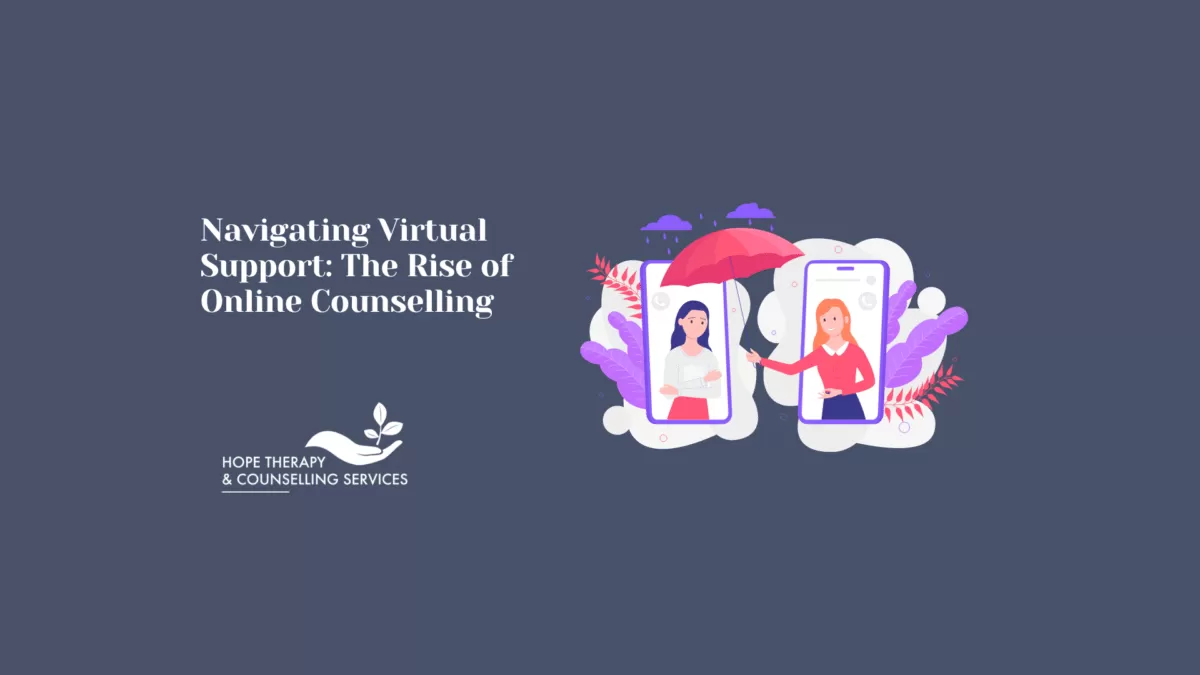
In an age where technology is seamlessly integrated into various aspects of our lives, it comes as no surprise that mental health support has found its way into the digital realm. The rise of online counselling has revolutionized the way individuals access mental health services, breaking down barriers and providing a convenient and accessible alternative to traditional face-to-face therapy.
The Digital Landscape of Mental Health With the advent of smartphones, high-speed internet, and video conferencing platforms, seeking support for mental health concerns has become more attainable for individuals worldwide. Online counselling, or e-counselling or teletherapy, offers various mental health services delivered through virtual platforms. This includes video calls, phone calls, messaging, and chat-based counselling.
Breaking Down Barriers Online counselling has proven to be a game-changer when it comes to breaking down barriers that have traditionally hindered people from seeking mental health support. Geographic constraints, stigmas associated with mental health, and limited accessibility to qualified professionals are just a few of the challenges that online counselling addresses.
People living in remote areas or those with physical disabilities can now connect with licensed therapists without the need for travel. The anonymity provided by virtual sessions has also been crucial in encouraging individuals to seek help without fear of judgment or social stigma.
Convenience and Accessibility One of the critical advantages of online counselling is its unparalleled convenience. With the ability to schedule sessions from the comfort of one’s home or any private space, individuals can access mental health support without the logistical challenges associated with in-person appointments. This convenience is especially beneficial for those with busy schedules, making it easier for them to prioritize their mental well-being.
Additionally, a wide range of communication options, including video calls, phone calls, and messaging, allows individuals to choose the format that best suits their preferences and comfort levels. This flexibility enhances the overall accessibility of mental health support, catering to a diverse range of needs.
The Therapeutic Relationship in the Virtual Realm One common concern surrounding online counselling is the perceived impact on the therapeutic relationship between client and therapist. However, numerous studies have shown that virtual sessions can be just as effective as face-to-face interactions. Therapists are trained to adapt their skills to the digital medium, fostering a strong therapeutic alliance with their clients.
Virtual counselling also opens up new possibilities for individuals who feel more at ease expressing themselves in writing or through asynchronous communication. The availability of chat-based counselling allows clients to share their thoughts and feelings at their own pace, promoting a deeper exploration of their experiences.
Addressing Privacy and Security Privacy and security are paramount in mental health support, and online counselling platforms prioritize these concerns. Reputable platforms employ robust encryption methods to ensure the confidentiality of client information. Additionally, therapists adhere to strict ethical guidelines and legal standards to safeguard the well-being of their clients.
The Future of Mental Health Support As technology advances, the landscape of mental health support will undoubtedly evolve. The rise of online counselling has demonstrated the capacity of virtual platforms to provide effective and accessible mental health services. While traditional in-person therapy remains valuable, the convenience and flexibility offered by online counselling contribute significantly to the overall well-being of individuals worldwide.
Navigating virtual support in the form of online counselling represents a positive shift in the way we approach mental health. By embracing the digital realm, we are making mental health services more inclusive and empowering individuals to prioritize their well-being on their own terms. As we move forward, integrating technology and mental health support will likely create a more connected, resilient, and mentally healthy global community.