Anxiety
When the fear of dying stops you living
If thoughts about death or dying have started to take over — keeping you awake, triggering panic, or making it hard to enjoy the life you have — you are not alone. Death anxiety is more common than most people realise, and counselling can help.
NCPS Organisational Member
Professionally registered therapists
Free 15-minute consultation

5,000+
People supported
90+
Qualified therapists
5 ★
Website Testimonials
20+
Counties across England
This page is part of our anxiety hub — visit for a full overview of how we support those suffering with anxiety.
What is death anxiety?
Most people think about death from time to time. A fleeting thought, a moment of unease, a brief awareness that life is finite. That is normal. It is part of being human.
Death anxiety is what happens when that awareness becomes something more — when thoughts about dying take on a weight and urgency that feels impossible to set down. You might lie awake at night unable to stop thinking about it. You might feel a wave of panic when something reminds you of mortality. You might find yourself avoiding conversations, films, or situations that touch on death because of the anxiety they trigger.
If that describes what you have been experiencing, it is worth knowing that death anxiety — sometimes called thanatophobia — is a recognised form of anxiety that responds well to the right kind of support. You do not have to keep carrying this alone.
What death anxiety actually feels like
The clinical literature describes thanatophobia as an “excessive fear of death or the dying process.” But for the person living with it, the experience is far more visceral than that.
It might hit you in quiet moments — lying in bed, sitting in traffic, watching your children play. A sudden, lurching awareness that this will all end. That the people you love will die. That you will die. The thought arrives with a physical force — a tightening in the chest, a rush of adrenaline, a feeling of falling. And once it has arrived, it is extraordinarily difficult to make it leave.
Some people describe it as a kind of existential vertigo — a dizzying confrontation with the reality of their own mortality that leaves them feeling untethered. Others describe it as a background hum of dread that colours everything, making it hard to enjoy things because the awareness of their impermanence is always there.
Perhaps the loneliest part is that it can feel impossible to talk about. Death is the one subject most people work hard to avoid. Telling someone that you cannot stop thinking about dying often produces awkward reassurance rather than genuine understanding.
What triggers death anxiety
Death anxiety can be triggered by many things. A bereavement — particularly a sudden or unexpected one — can shatter the sense of safety that most of us carry without realising. A serious illness, a health scare, or reaching a milestone birthday can bring mortality into sharp focus. The death of a public figure, a news story, or even a film can set off a spiral of thinking that is hard to contain.
For some people, death anxiety arrives without any obvious trigger. It emerges during a period of stress, or during a life transition — becoming a parent, reaching middle age, retiring — when the passage of time becomes harder to ignore.
It is also worth noting that death anxiety often co-occurs with other forms of anxiety. Health anxiety, panic disorder, and generalised anxiety can all have death-related fears at their core. Understanding this connection can be an important part of addressing the anxiety effectively.
Death anxiety and the body
Death anxiety does not just live in your thoughts. It can produce intense physical symptoms — panic attacks, a racing heart, difficulty breathing, insomnia, nausea, and a persistent sense of dread. These physical responses can be frightening in their own right, and for some people they create a secondary fear: the worry that the physical symptoms themselves are a sign that something is medically wrong.
This overlap with health anxiety is common. The fear of death produces physical sensations, which then become the focus of further fear. Understanding that this is an anxiety response — not a medical emergency — can be the first step towards breaking the cycle.
Why death anxiety gets stuck
One of the reasons death anxiety can feel so intractable is that the thing you are afraid of is real. Death is not an irrational fear — it is a certainty. This makes it different from most other anxiety disorders, where the feared outcome is unlikely or exaggerated.
What makes death anxiety a problem is not the awareness itself, but the relationship you have with it — the way the thought takes hold, triggers panic, and refuses to let go. Counselling does not try to convince you that death is not real or that you should not think about it. Instead, it helps you develop a different relationship with the awareness — one where you can hold the knowledge of your mortality without it dominating your life.
Many people find that when they are able to sit with the reality of death rather than fighting it, something paradoxical happens: the anxiety loosens, and they are able to live more fully. Not because the fear disappears entirely, but because it stops being the thing that defines every moment.
Recognising the Pattern
You might be experiencing death anxiety if…
These are some of the ways death anxiety shows up. You do not need to recognise all of them.
Intrusive thoughts about death
Persistent, unwanted thoughts about dying — your own death, the death of loved ones, or the process of dying — that arrive uninvited and are hard to shake.
Nighttime dread
The fear intensifying at night when distractions fall away — lying awake with racing thoughts about mortality, unable to switch off.
Panic when reminded
A sudden rush of anxiety when something triggers awareness of death — a news story, a birthday, a funeral, someone mentioning illness.
Avoiding reminders
Steering away from funerals, hospitals, conversations about death, or even films and TV shows that deal with mortality.
Checking on loved ones
Worrying excessively about the safety of people you love — needing to know they are safe, imagining worst-case scenarios when they are late.
Feeling unable to enjoy life
A sense that the awareness of death has drained the colour from everything — making it hard to be present, to enjoy moments, or to plan for the future.
How counselling helps with death anxiety
You might wonder what a therapist could possibly say about death that would make it less frightening. The answer is that counselling for death anxiety is not about finding a clever argument that makes the fear go away. It is about changing the relationship you have with the fear itself.
A therapist experienced in death anxiety will not try to talk you out of what you are feeling or offer empty reassurance. They will help you explore what is underneath the fear — because death anxiety is rarely just about death. It is often connected to deeper questions about meaning, control, legacy, connection, and whether your life is being lived in the way you truly want.
Over time, many people find that the anxiety transforms from something paralysing into something that carries a quieter message — a reminder to live with more intention, more presence, more honesty about what matters. That shift does not happen overnight, but when it does, it can be profoundly freeing.
At Hope Therapy, we match you with a therapist who has experience working with existential and anxiety-related difficulties. The matching process is part of your free consultation — we find the right person for you.
Our Approach
Therapeutic approaches that can help
Different approaches work for different people. Here are the ones our therapists most commonly use for death anxiety.
Cognitive Behavioural Therapy (CBT)
CBT helps you identify the thinking patterns that fuel death anxiety — the catastrophising, the “what if” spirals, the avoidance behaviours — and develop more balanced ways of responding when the thoughts arise. It is practical and structured, with a focus on building skills you can use in the moments when the anxiety hits.
Learn more about CBT →
EMDR
Where death anxiety was triggered by a specific event — a bereavement, a near-death experience, a medical emergency, or witnessing someone else’s death — EMDR can help process that memory so it no longer triggers the same intensity of fear. This can be particularly effective when the anxiety started suddenly after a specific experience.
Learn more about EMDR →
Integrative Counselling
Integrative counselling is often the most natural fit for death anxiety because it can hold both the psychological and the existential dimensions. It explores not just the anxiety itself, but the bigger questions it raises — about meaning, purpose, how you want to live, and what matters most to you. This approach works well for people who sense that the fear of death is connected to something deeper about how they are living.
Learn more about counselling →
Our booking team and your therapist will discuss which approach — or combination — feels most appropriate for what you are bringing. You do not need to know which is right before you start.
What our clients say
Real experiences
★ ★ ★ ★ ★
I had been struggling with intrusive thoughts about death for months and did not know who to talk to. My therapist understood immediately and helped me find a way to live with the awareness without being consumed by it.
★ ★ ★ ★ ★
The matching process meant I got a therapist who had real experience with existential anxiety. That made all the difference. I felt understood from the very first session.
★ ★ ★ ★ ★
I was nervous about opening up about something so personal but the free consultation put me at ease. My therapist has been patient, thoughtful, and genuinely helpful.
Client experiences are unique. Results vary between individuals.
Getting started
How it works
Three simple steps. No pressure, no obligation.
1
Book a free consultation
A relaxed 15-minute conversation with a member of our team. We listen to what has been going on and answer any questions you have. You can do this from home — by phone or online.
2
We find the right therapist
Based on what you tell us, we carefully match you with a therapist from our team of 90+ who has the right experience and approach for your needs. This is not random — it is a considered process.
3
Begin your sessions
Start your sessions online from wherever you feel comfortable. Your therapist will help you explore what is driving the fear and develop a different relationship with the awareness of mortality — at a pace that feels right for you.
Most clients hear back from us the same working day, and typically begin sessions within a week of the free consultation — depending on your preferences and therapist availability.
Standards you can trust
How we match you with the right therapist for death anxiety
Choosing a therapist is a personal decision, and we take time to get the match right.
A careful match, not a long list
Therapist availability changes from week to week, so rather than asking you to choose from a directory, we take time during your free 15-minute consultation to understand what you are looking for — and then match you with a therapist suited to your needs.
During the consultation, we will ask about:
- What you would like the work to focus on, and any specific concerns
- Whether you would prefer face-to-face, online, or combination
- Any preferences around therapy approach (counselling, CBT, EMDR, hypnotherapy, mindfulness, ACT, compassion focused therapy and others)
- Day and time availability
- Any specialisms (LGBTQIA+ affirming, neurodiversity-affirming, particular life experiences)
- Practical preferences (therapist gender, age range, shared lived experience)
All therapists we work with are qualified and registered with appropriate UK professional bodies, and we will confirm the most suitable options with you before any sessions begin.
Professional standards across our team
Hope Therapy & Counselling Services has been operating since 2014, and we hold Organisational Membership with the National Counselling & Psychotherapy Society (NCPS). We work in line with the NCPS Code of Ethics and BACP Good Practice, and our wider clinical standards include:
- Qualified, professionally registered therapists across the team — registrations vary per therapist and are confirmed before matching
- Ongoing clinical supervision in line with professional body requirements
- Continuing professional development to maintain and develop practice
- Clear confidentiality standards, with limits explained before sessions begin
- Client-centred, non-judgemental and inclusive practice across all areas of identity and experience
- Founder-led clinical oversight from Ian Stockbridge — MBACP (Senior Accredited) – who continues to lead the practice and oversee its standards
Whether you choose face-to-face counselling near you or online therapy from anywhere in the UK, you can expect to be matched with a therapist who is appropriately qualified and suited to the support you are looking for.
Transparent Pricing
Our fees
No hidden costs. Your therapist and fees are discussed during your free consultation.
Individual Counselling
From £65
per 50-minute session
- Online via Zoom or telephone
- Face-to-face where available
- Mon–Fri, limited weekend availability
CBT
From £85
per 50-minute session
- Practical skills for managing fear
- Structured, evidence-based approach
- Online or face-to-face
EMDR
From £95
per 50-minute session
- Specialist trauma processing
- Trained EMDR practitioners
- Online or face-to-face
Looking for a more affordable option? We may be able to offer sessions at a reduced rate — just ask during your free consultation.
London clients: Location-adjusted rates may apply. Please ask during your free consultation and we will confirm the exact fee before you commit to anything.
Common Questions
Frequently asked questions
What is death anxiety?
Death anxiety — sometimes called thanatophobia — is an intense, persistent fear of death or the process of dying. While some awareness of mortality is normal, death anxiety becomes a problem when it dominates your thinking, causes significant distress, or interferes with daily life.
Is it normal to be afraid of death?
Some awareness of mortality is a normal part of being human. It becomes a concern when the fear is persistent, intense, or disproportionate — when it takes up significant mental energy, disrupts sleep, triggers panic, or stops you from living the life you want to live.
Can counselling help with a fear of death?
Yes. Counselling can help you explore what is driving the fear, develop a different relationship with the thoughts, and find ways to live more fully alongside the awareness of mortality. CBT, integrative counselling, and existential approaches are all commonly used.
What type of therapy is best for death anxiety?
CBT can help manage the anxious thinking patterns. Integrative and existential approaches explore the deeper questions about meaning and purpose. Your therapist will discuss the best fit during your free consultation.
Can death anxiety cause physical symptoms?
Yes. Death anxiety can trigger panic attacks, chest tightness, difficulty breathing, insomnia, and a racing heart. These are caused by the anxiety itself and can sometimes be mistaken for a medical emergency, which can intensify the fear further.
How much does death anxiety counselling cost?
Individual counselling starts from £65 per 50-minute session. CBT starts from £85. We also offer a reduced rate for those who need it. Fees are discussed during your free consultation so you are clear before committing.
You do not have to keep carrying this alone
Death anxiety can be one of the loneliest experiences there is — partly because the fear itself is so hard to talk about. People change the subject. They offer platitudes. They tell you not to think about it. None of that helps when the thoughts come anyway.
You do not need to have it figured out. You do not need to explain why the fear is so intense or when it started. You do not even need to be sure that this is what is going on. A free 15-minute consultation is simply a conversation — a chance to talk about what you have been experiencing and to find out whether we can help.
If any of this has felt familiar, book a free consultation or call us on . We answer the phone 9am to 9pm.
Related Support
You might also find these helpful
Related conditions
Therapy approaches
From our Blog
Understanding death anxiety
Is it healthy to think about death?
Explore death anxiety, its impact on mental health, and effective therapeutic approaches to find support and cope with…

What is death anxiety?
Death anxiety, also known as thanatophobia, refers to the intense fear or anxiety associated with thoughts of one’s…
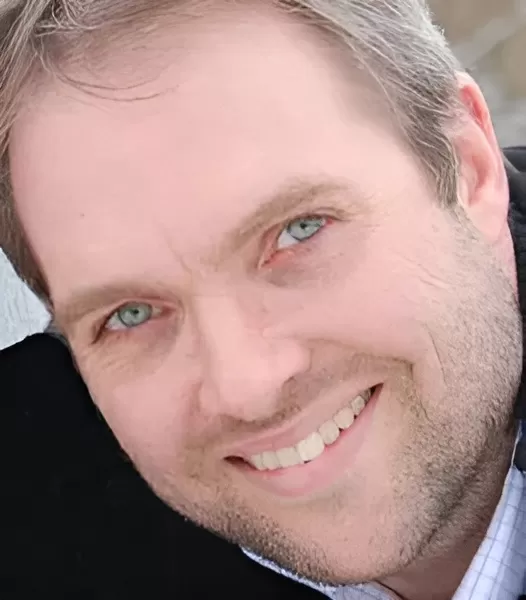
Meet Our Founder
Built by someone who saw the need from the inside
★
SCoPEd Band C
MBACP & SNCPS Senior Accredited
“Having worked for more than 25 years in senior management, I saw the same thing repeatedly — people struggling with mental health and relationship challenges, and so often struggling to access the right support when it was needed. It was out of this recognition of human need that Hope was born.”
Ian Stockbridge founded Hope Therapy after 25+ years leading large commercial teams – watching colleagues carry stress, anxiety, and personal difficulty with nowhere to turn. He retrained rigorously, now holding Senior Accredited status with both the BACP and NCPS, alongside SCoPEd Band C — the highest independent competence verification in the UK counselling profession.
He remains a practising therapist, clinical supervisor, published author of PMDD Uncovered, and co-presenter of The Talk Room Podcast. Hope Therapy was built on the things he saw were most broken – and designed, from the ground up, to do better.
MBACP (Senior Accredited)
SNCPS (Acc)
SCoPEd Band C
BSc (Hons) CBT
PGCert Supervision L7
Quality Award 2024 — 95%+


You do not have to carry this fear alone
A free, no-obligation 15-minute conversation. No pressure, no script — just a chance to be heard, ask questions, and see whether we feel like the right fit.
Get in Touch
Start your enquiry
Not sure where to start? Send us a message and a member of our team will get back to you. All enquiries are treated in the strictest confidence.
★ ★ ★ ★ ★
“From the very first phone call, I felt heard. They didn’t rush me — they helped me work out what I needed.”
Hope Therapy enquiry feedback
NCPS Organisational Member
Est 2014
90+ Qualified Therapists

National Counselling & Psychotherapy Society
British Association for Counselling and Psychotherapy

British Association for Behavioural & Cognitive Psychotherapies
Individual registrations vary per therapist. Last reviewed: May 2026.